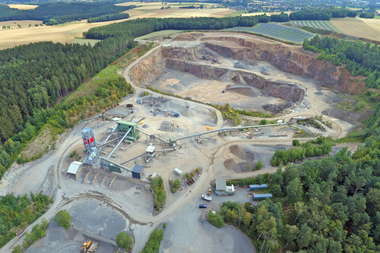




Raw materials for the clay brick and tile industry
Clay as a raw material – the finest nature has to offer
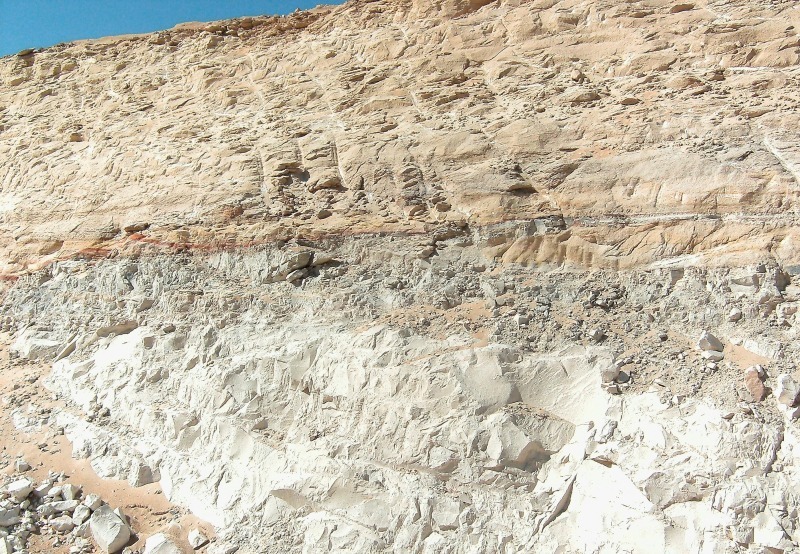
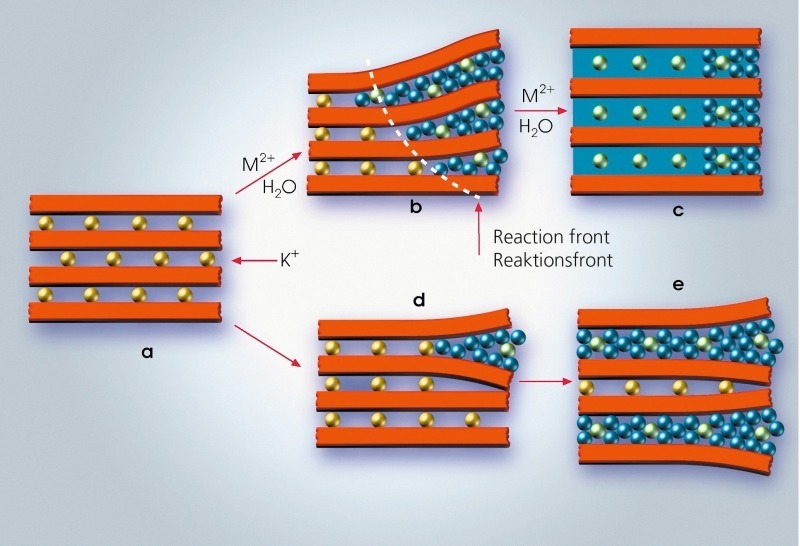
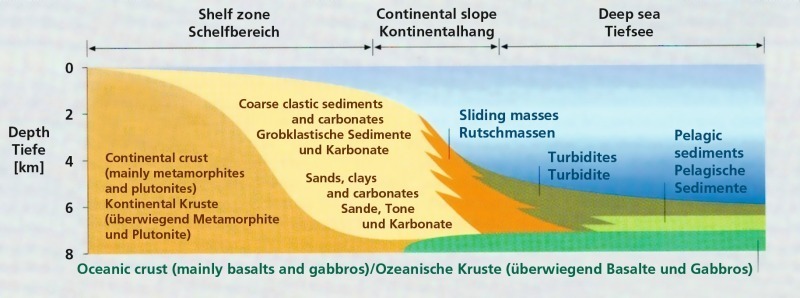
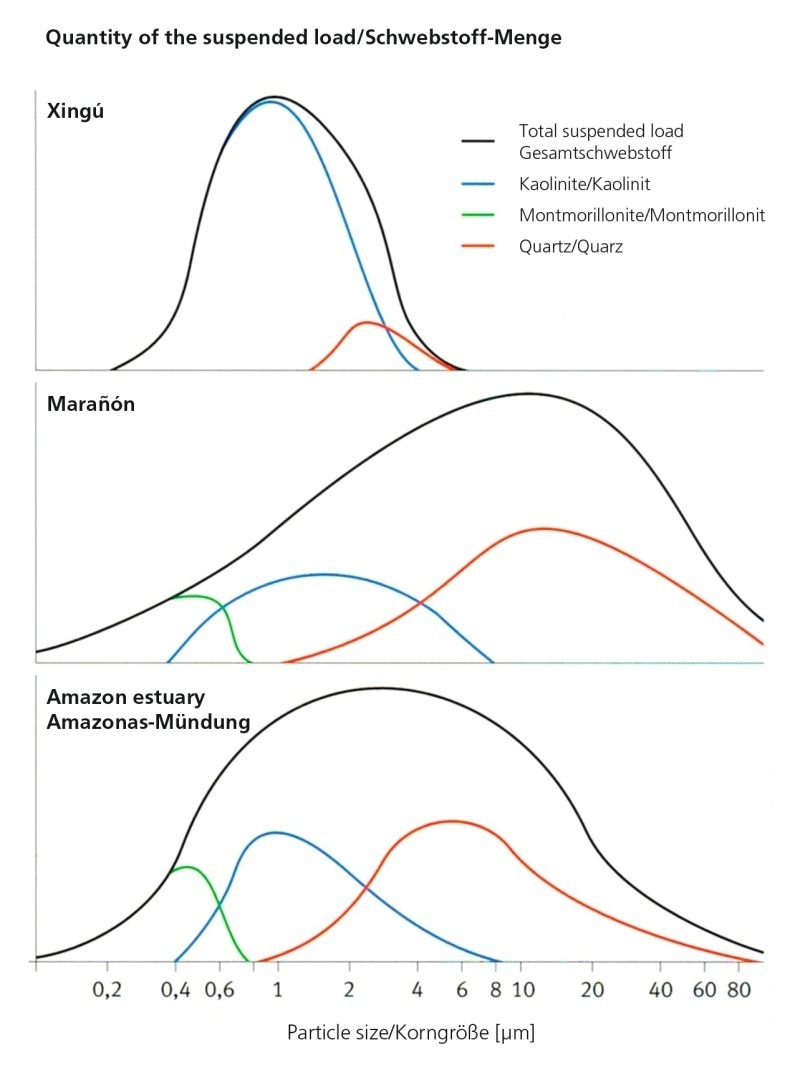
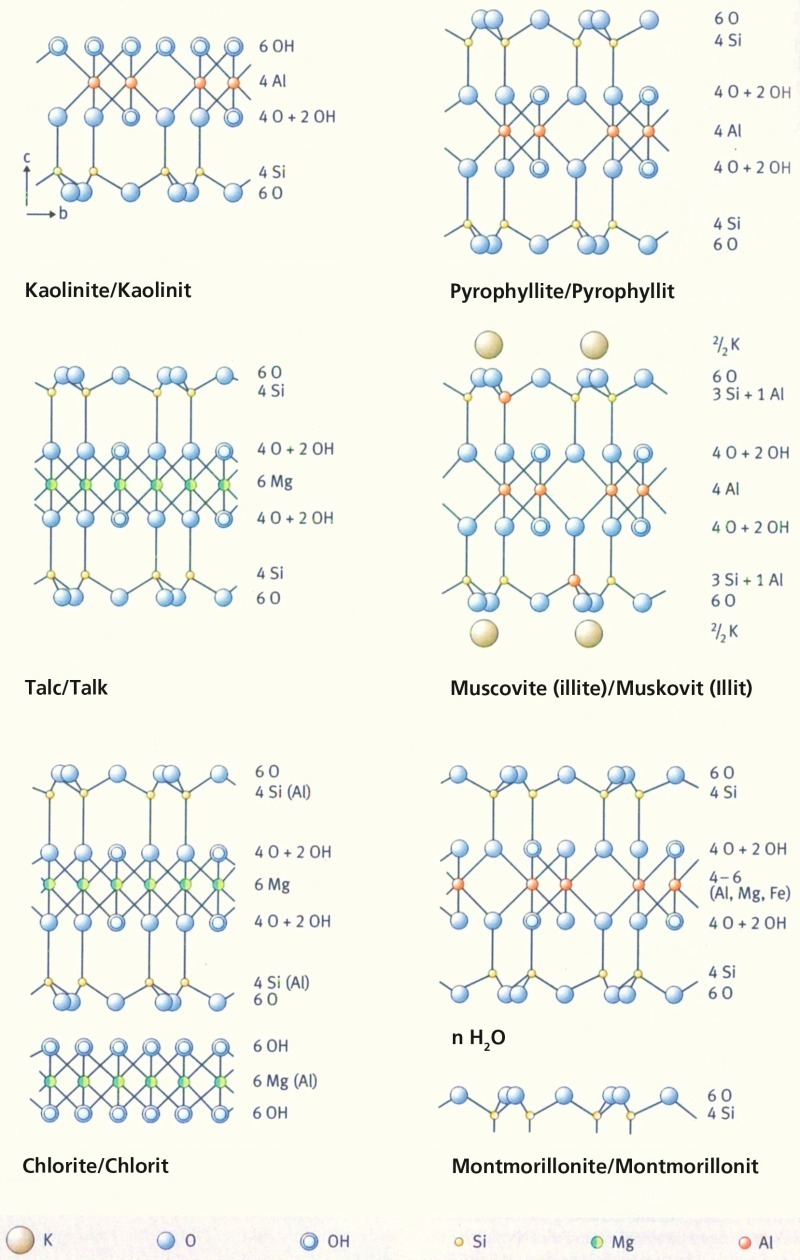
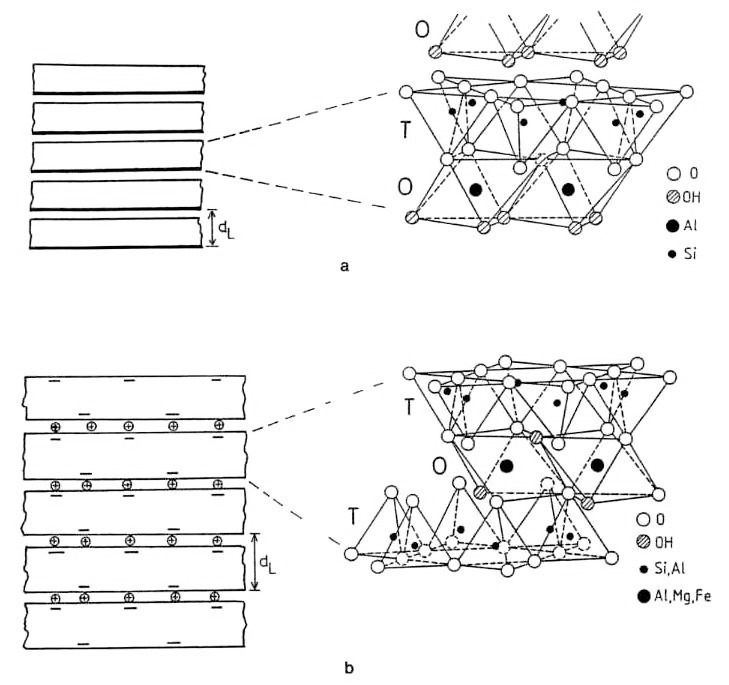
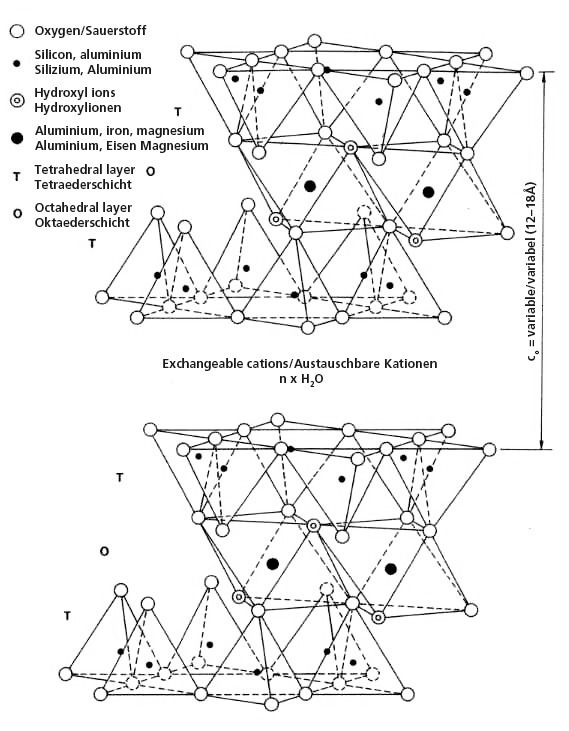
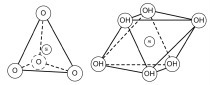
In all current international standards and schemes for the classification of grain size spectra, clay grain represents the finest particle size range. The particular properties of clay as a raw material are, however, not only determined by its certainly small particle size, but also by the type of phyllosilicates and clay minerals. But how are these microcrystalline structures built up and how do they differ from each other? Current clay research provides an interesting insight into this complex subject matter.
1 Introduction
Clastic sediments with a median particle size smaller than 2 µm (0.002 mm) are described as “clays” by definition [1]. They consist largely of phyllosilicates and clay minerals, which are enriched in this particle size range and therefore strongly influence the material properties. These are hydroxide-containing aluminium silicates with a small particle diameter; even particle sizes smaller than 0.2 µm are sometimes diagnosed [2]. Most of the clay minerals form planar crystals with a lamellar structure and, in accordance with the mineralogical system, belong to the class of...