



Modern Raw Materials for the Brick Industry Part 6: Filter kaolin from the Freinberg quartz quarry
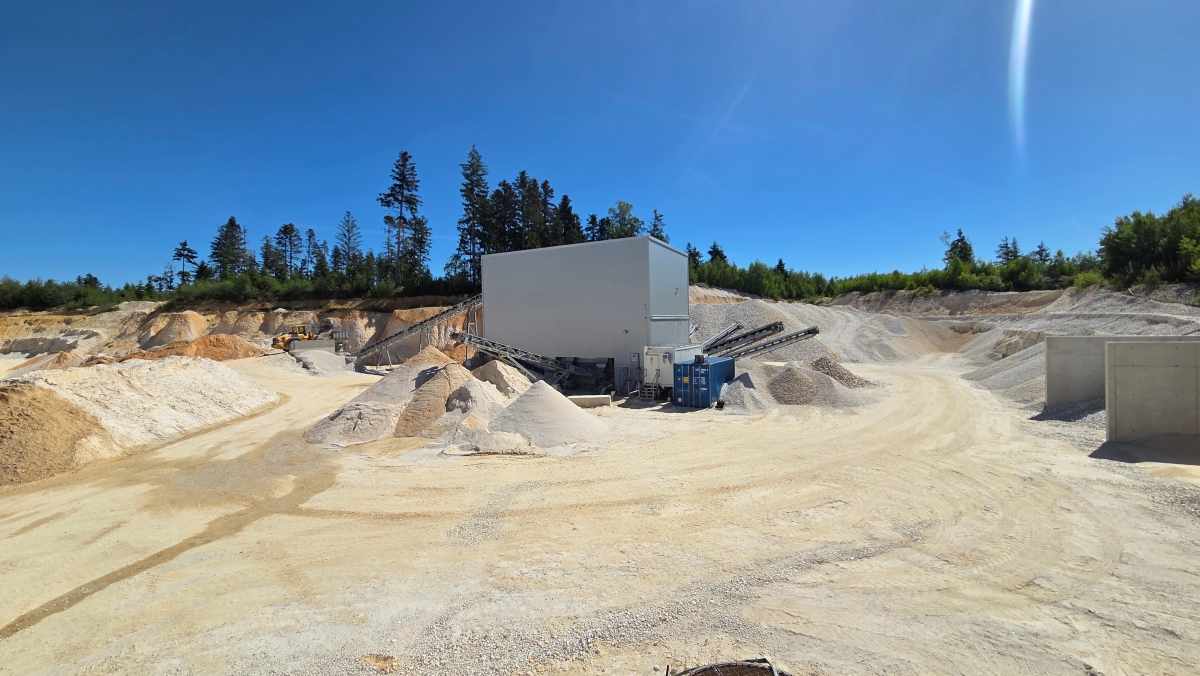
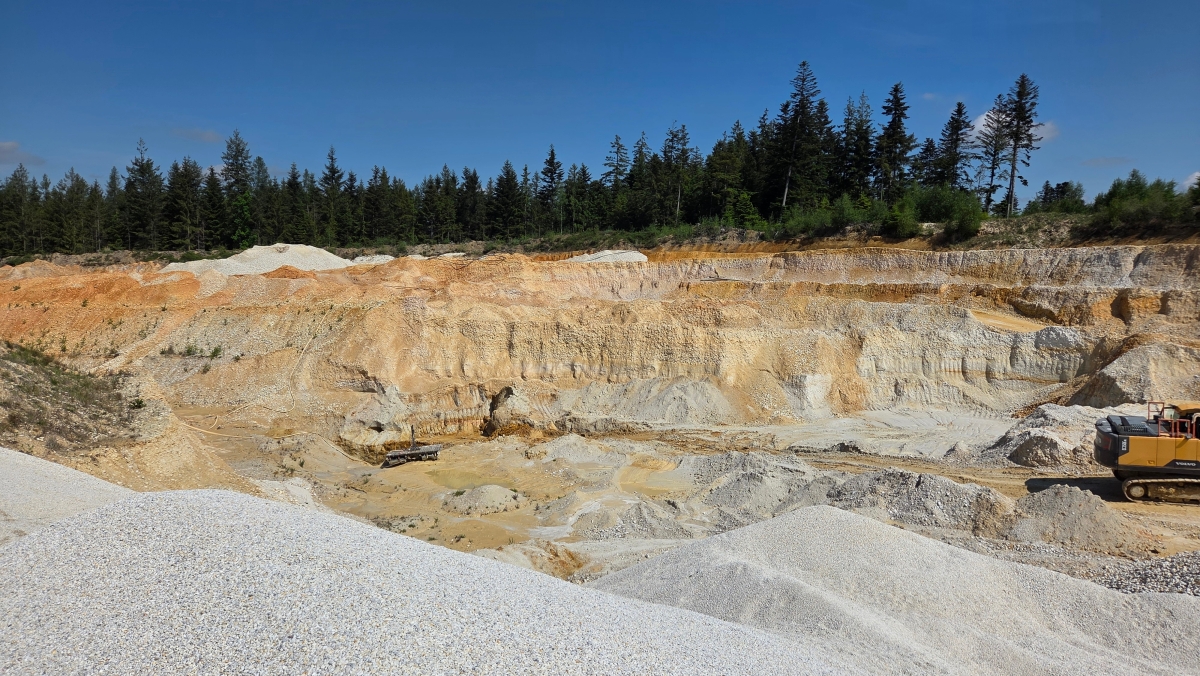
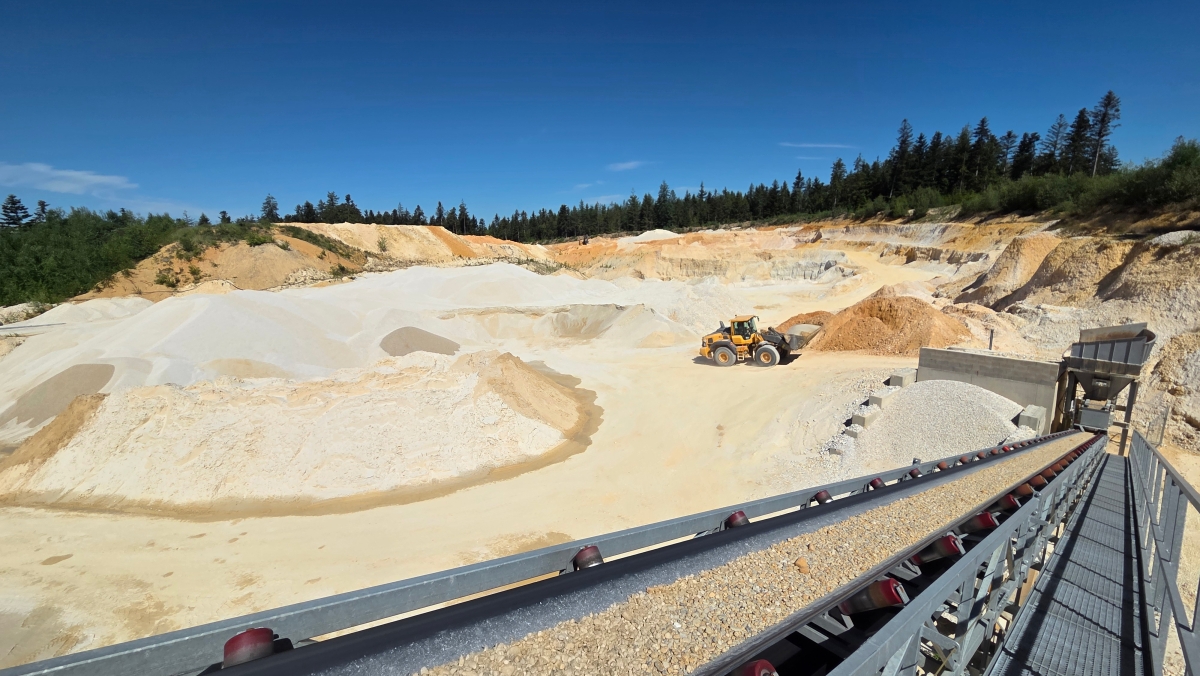
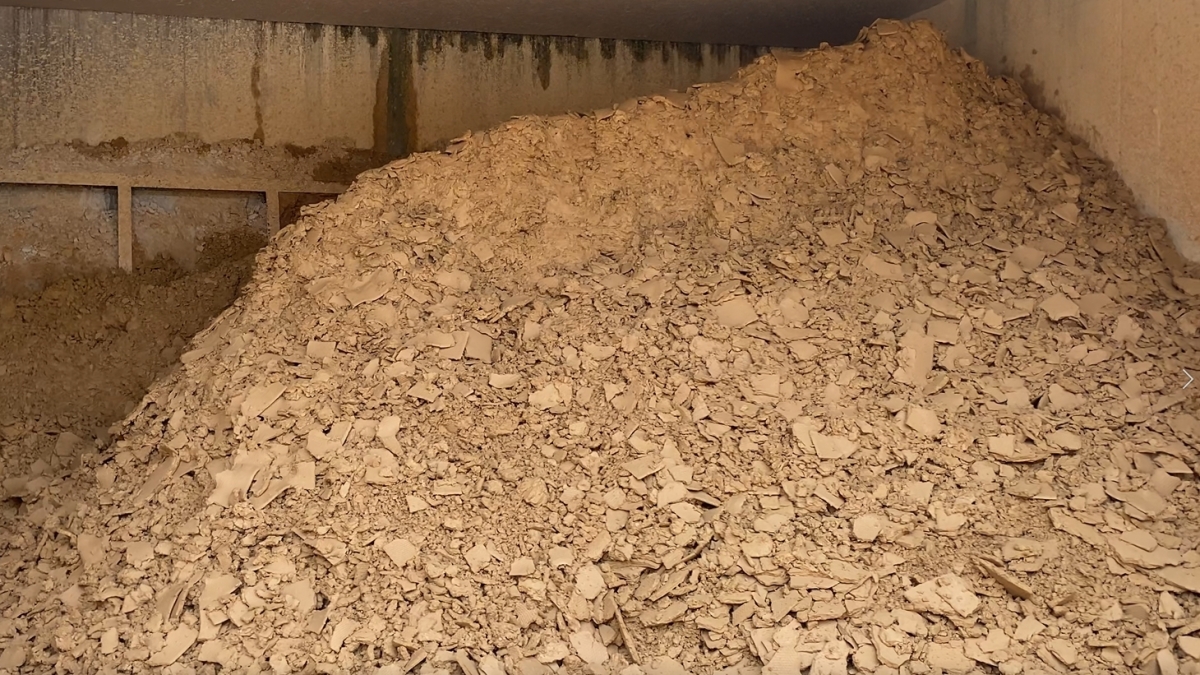
The Freinberg quartz quarry in Upper Austria is one of the very few mining sites in Europe that is suitable, among other things, for the production of metallic silicon. The raw material consists of high-purity quartz residual gravel. High-quality filter kaolin for construction ceramics is obtained as a byproduct from the mineral washing process.
1 Geological Context and Site
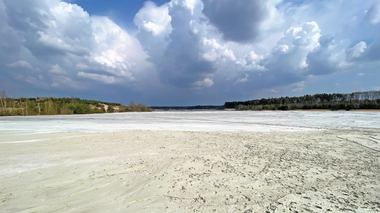
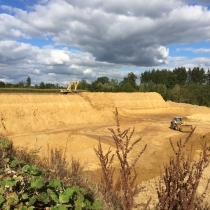
At the AT-4785 Freinberg site in Upper Austria, EWS Quarzsand GmbH has been extracting high-quality quartz sand and quartz gravel since 2023 for a wide range of applications, including the construction industry, glass manufacturing, and silicon production (»1).
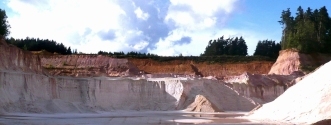
The raw material is quartz residual gravel. This consists of the weathering-resistant remnants of Miocene and Pliocene gravel that were deposited in the Alpine region by major river systems. The decisive step in the formation of the residual quartz gravel was extremely intense chemical weathering under a subtropical climate. During this process, all less resistant minerals were chemically decomposed and removed. Feldspars were transformed into kaolinite with the release of silicic acid; today, kaolinite, together with mica minerals, forms the fine-grained matrix of the residual quartz gravel (»2, 3).
In the Freinberg/Passau area, the quartz residual gravel occurs over a wide area. There, it lies on top of the crystalline bedrock of the Bohemian Massif. Geologically, it thus belongs to the Moldanubian and not to the Molasse Basin of the Alps.
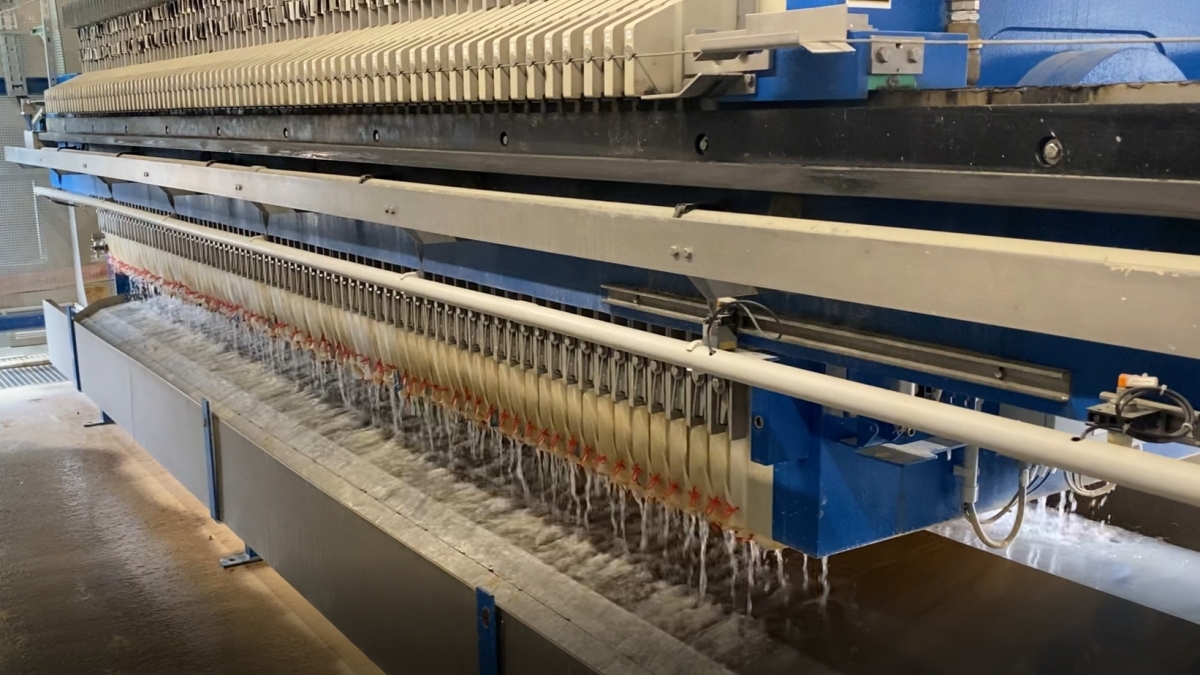
The raw materials are processed using a wet method in a state-of-the-art processing plant, ensuring particularly efficient processing of the various grain sizes. A particular highlight is the combined water/solid recycling system with a downstream chamber filter press. Process water is recycled in a closed loop (»4, 5).
2 Mineralogical and Chemical Composition
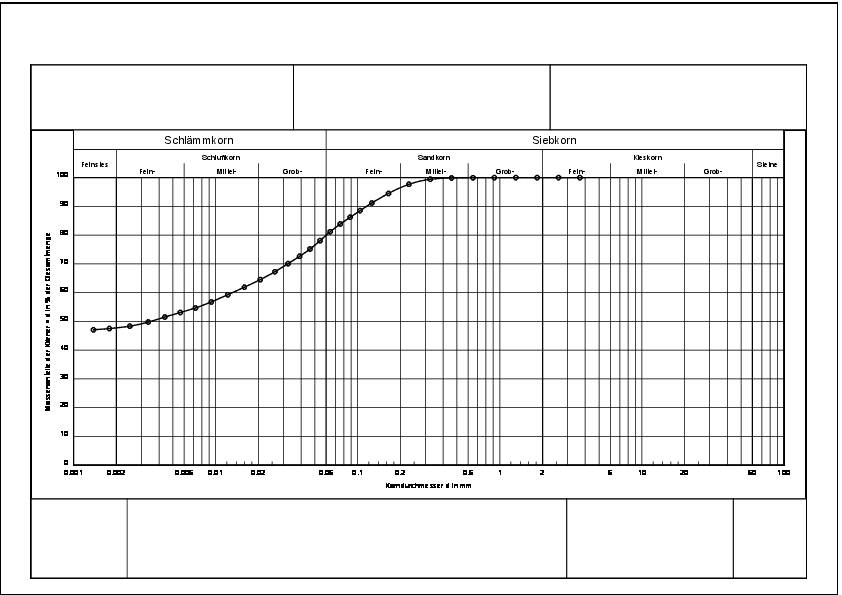
The filter kaolin obtained in this way as a secondary raw material covers grain sizes ranging from clay to medium sand. The maximum grain size is in the fine-grain range (d < 0.002 mm), accounting for 48 MA % (»6). Mineralogically, the material is dominated by phyllosilicates and quartz, with the phyllosilicate content at 66 MA%. Due to severe chemical weathering, kaolinite clearly dominates over illite/mica (»Table 1). The material contains no intracrystalline swellable phases.
Chemically, silicon and aluminum clearly dominate over all other elements. The contents of alkaline and alkaline earth fluxes are consistently low and are introduced via illite/mica. Iron is present at 2.95 MA% in the form of iron hydroxide/goethite. Interfering elements such as sulfur and carbon/organic matter are minimal and lie within the RFA detection limit. The filter kaolin is completely free of lime. (»Table 2).
3 Ceramic Technology Characteristics
The filter kaolin from Freinberg is classified as a resource-efficient clay substitute (»Table 3). Due to its optimal particle size, the material does not require energy-intensive comminution but only needs to be homogeneously mixed with the other components of the mixture. The material is ideally suited to replace traditional clay marl and marl, thereby significantly reducing the consumption of primary raw materials as well as CO2 emissions.
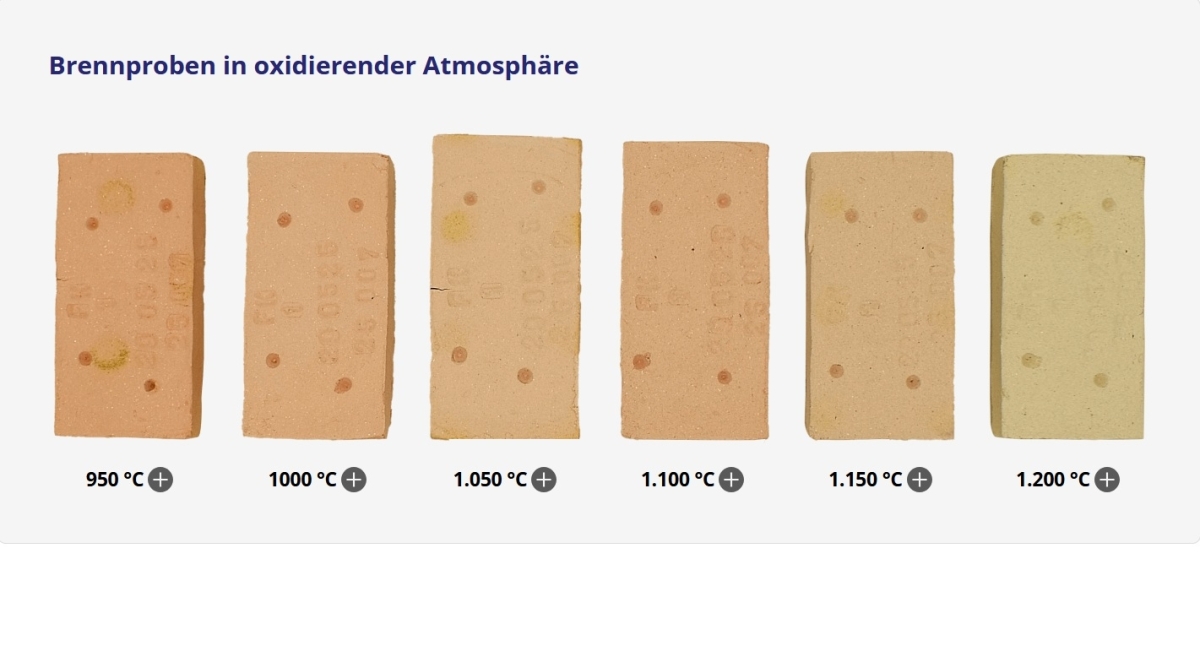
As a special plastic raw material with low body density, filter kaolin is ideally suited for use in highly thermally insulating cavity wall bricks. The material is characterized by a very broad and stable sintering range with high porosity. The firing colors vary depending on the firing temperature, ranging from ochre yellow to light yellow (»7).
4 Quantity Availability and Concluding Remarks
The open-pit mine has sufficiently large geological reserves and a long-term mining permit. The annual volume of filter kaolin depends on the production volume of the primary raw material and currently amounts to approximately 10,000 metric tons. As mining progresses into underlying layers, an additional grade of filter kaolin with a creamy-white firing color will become available. The filter cakes are distributed by Dr. Krakow Rohstoffe GmbH.