



Raw Material Highlights for the Clay Brick and Tile Industry
Clay as a raw material – geological code determines its firing behaviour (part 1)
![»1 Pico de Teide/Spain: typical primary rock for clays [1]](https://www.zi-online.info/imgs/101470288_12b48ed69e.jpg)
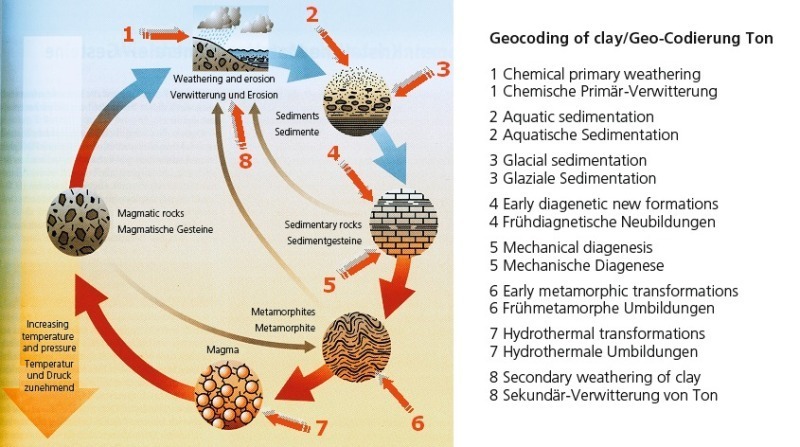
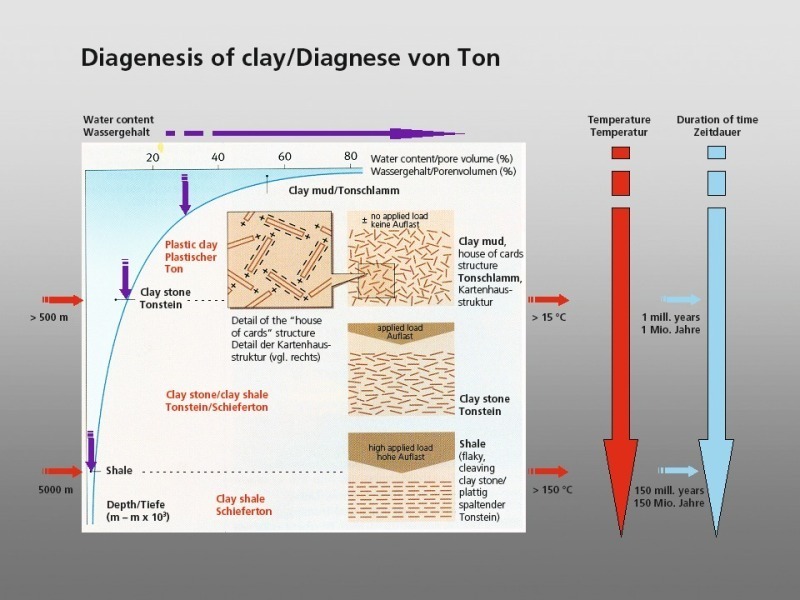
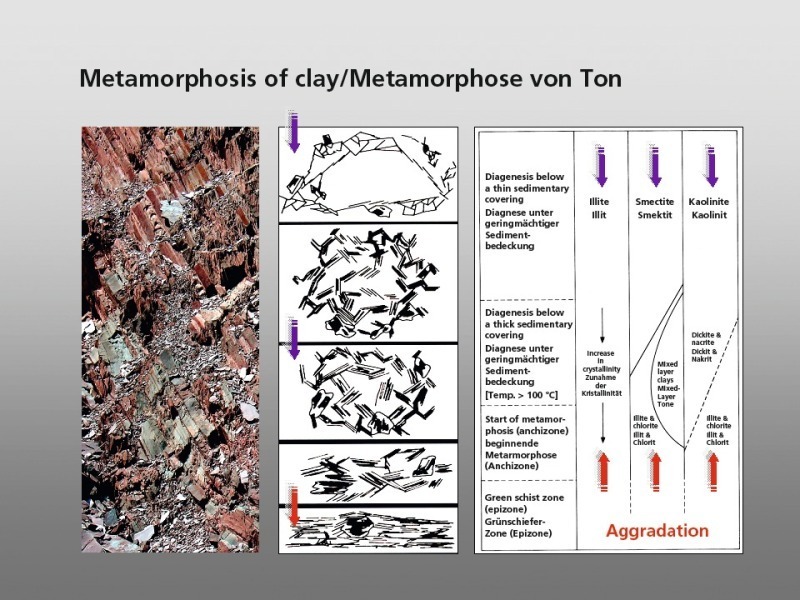
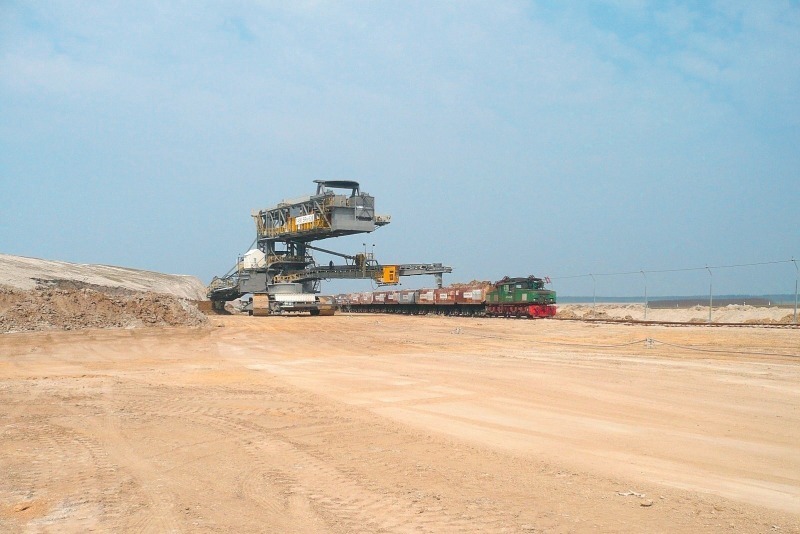
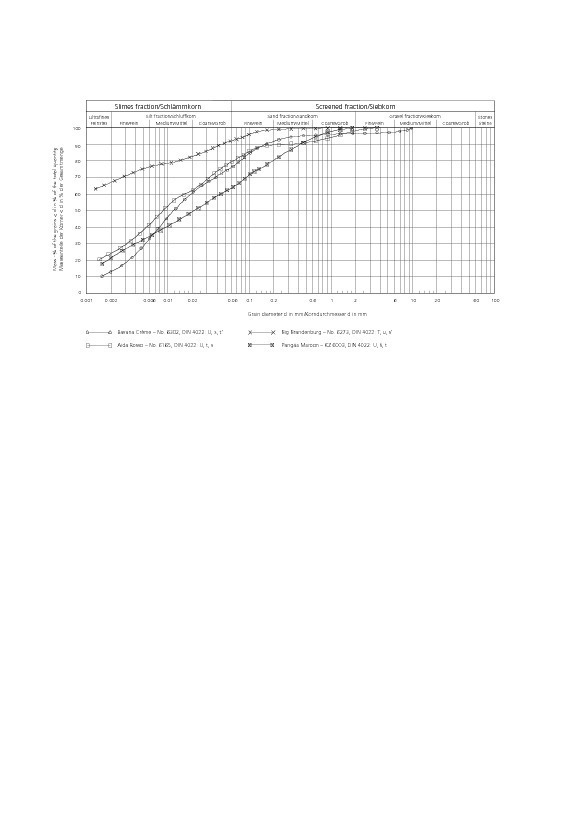
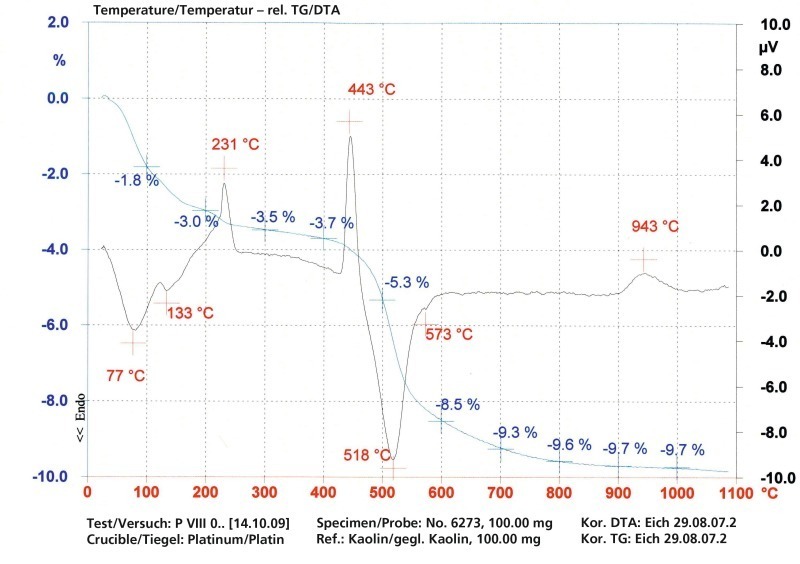
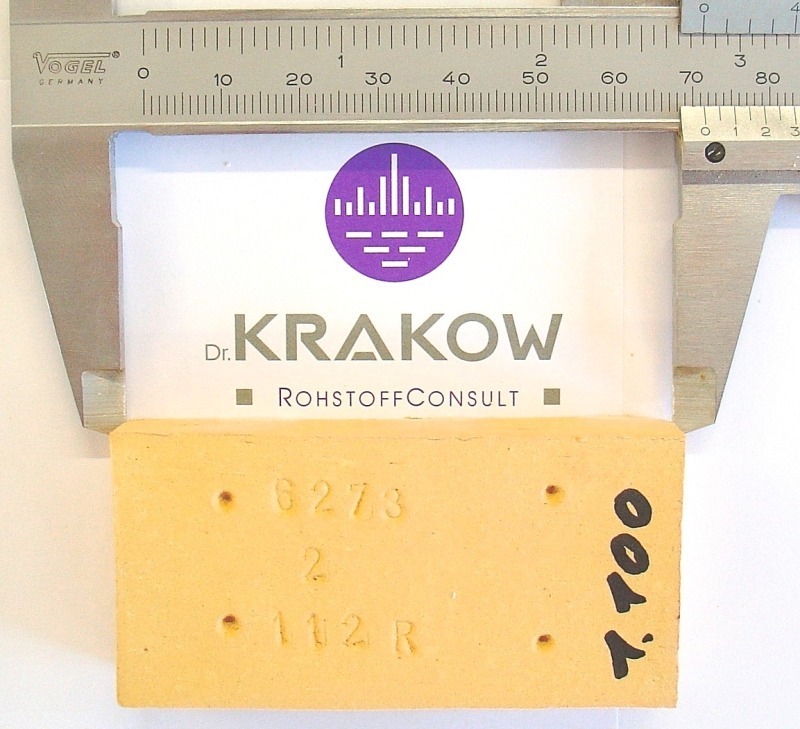
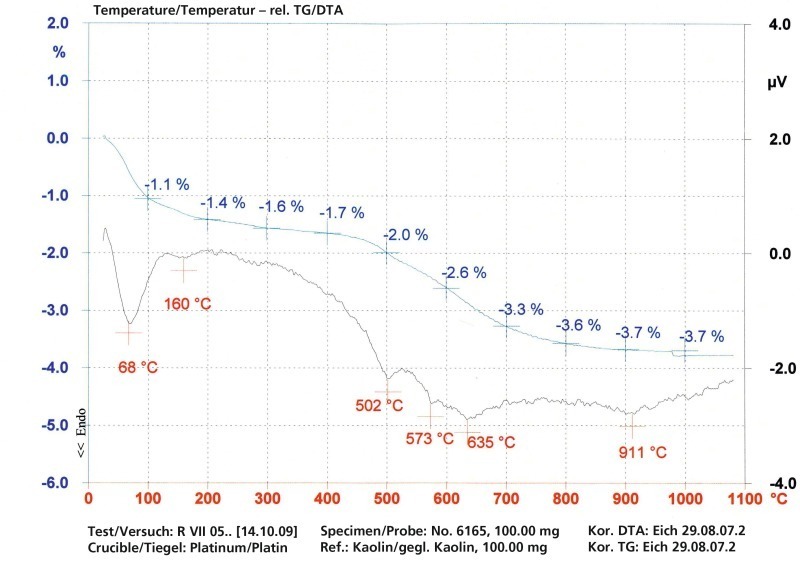
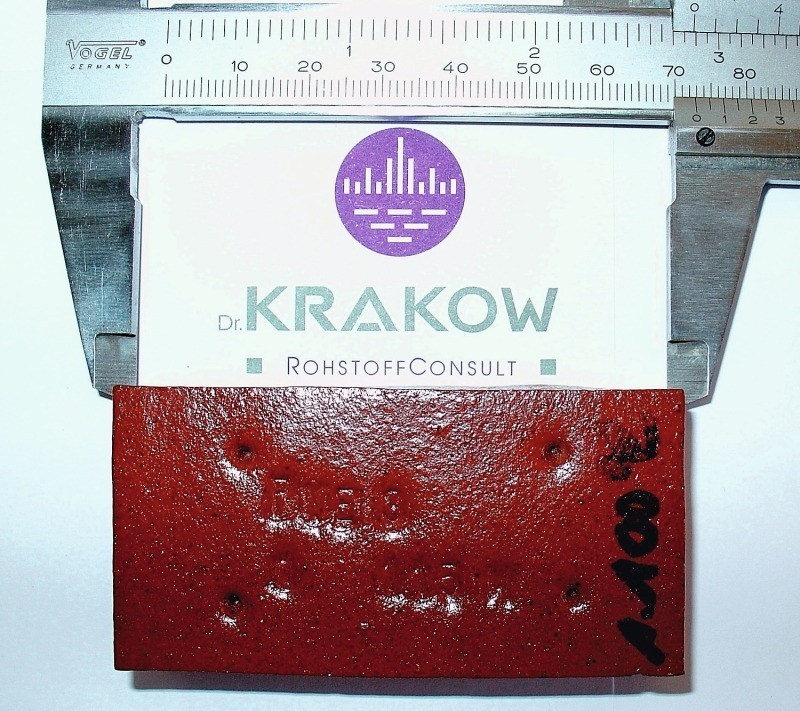
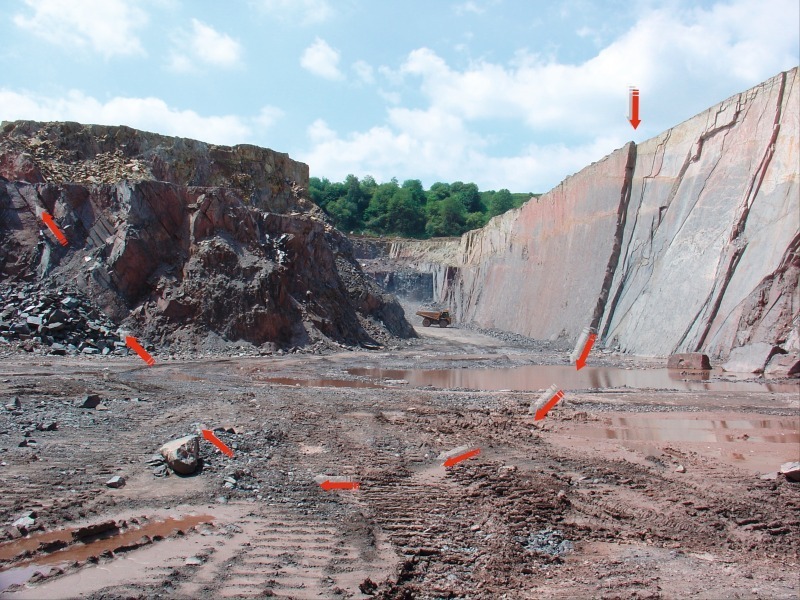
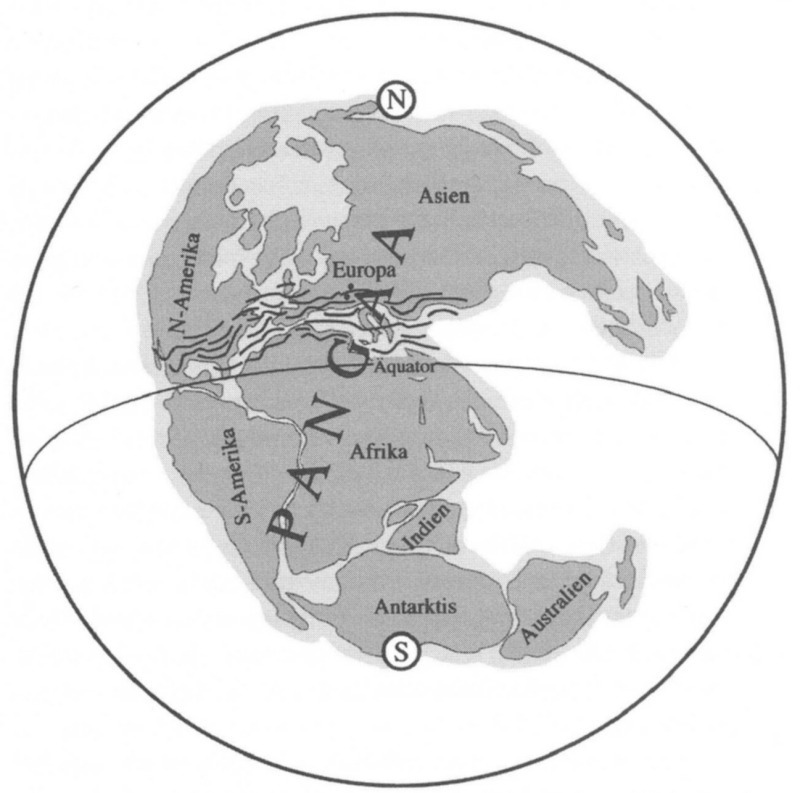
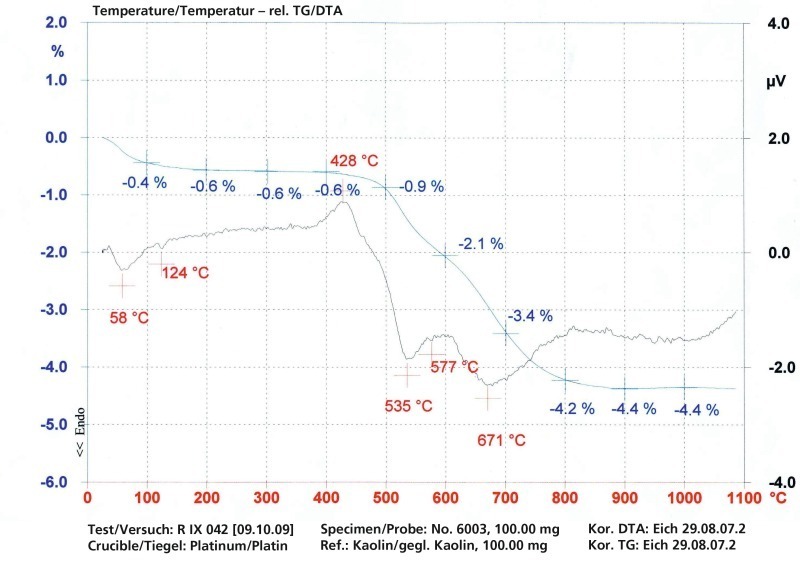
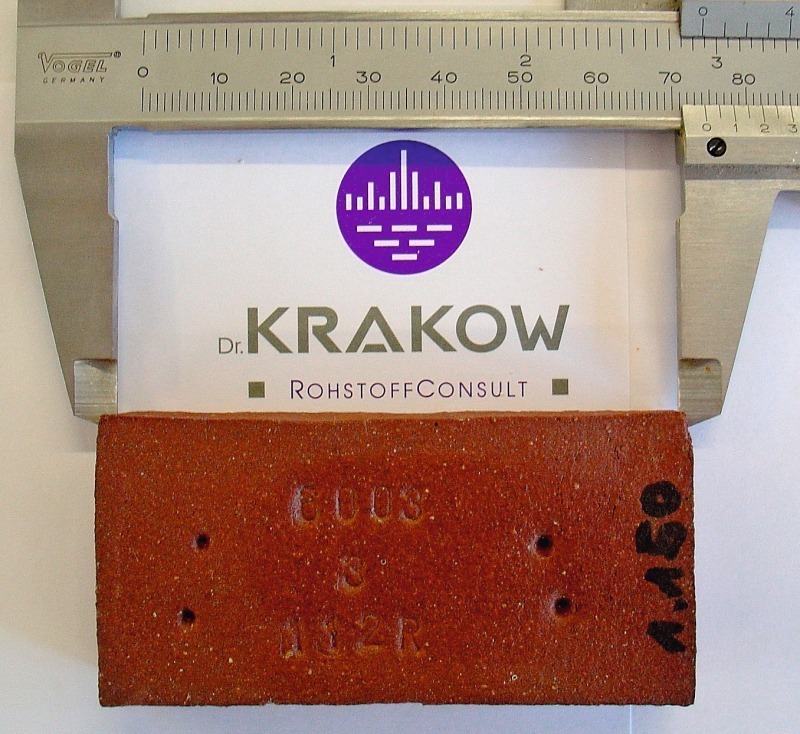
Clays constitute some of the most complex naturally found blends of minerals. They are composed of varying fractions of different clay minerals, but also contain other mineral groups such as tectosilicates, carbonates, oxides and hydroxides. It is the infinite variety of geological processes that make this raw material so complicated and it is mineral structures on micro- and nanoscale that make this raw material so sensitive. Cracking the geological code is therefore crucially important for understanding the behaviour of clays in the firing process.
1 Introduction
In this paper the wide range of the forming processes is abstracted in order to indicate relationships between geological formation and technical properties. With reference to selected case studies, processes of chemical weathering and sedimentation as well as of diagenesis and metamorphosis are more closely analysed. These processes are related to the material characteristics in the firing process. To conclude, it is shown how market success comes from the raw material.
2 Geo-coding of clays
2.1 Chemical primary weathering
The properties of clay as a raw material are variably...