



New permanent exhibition at the LWL Museum Ziegelei in Lage
14.04.2026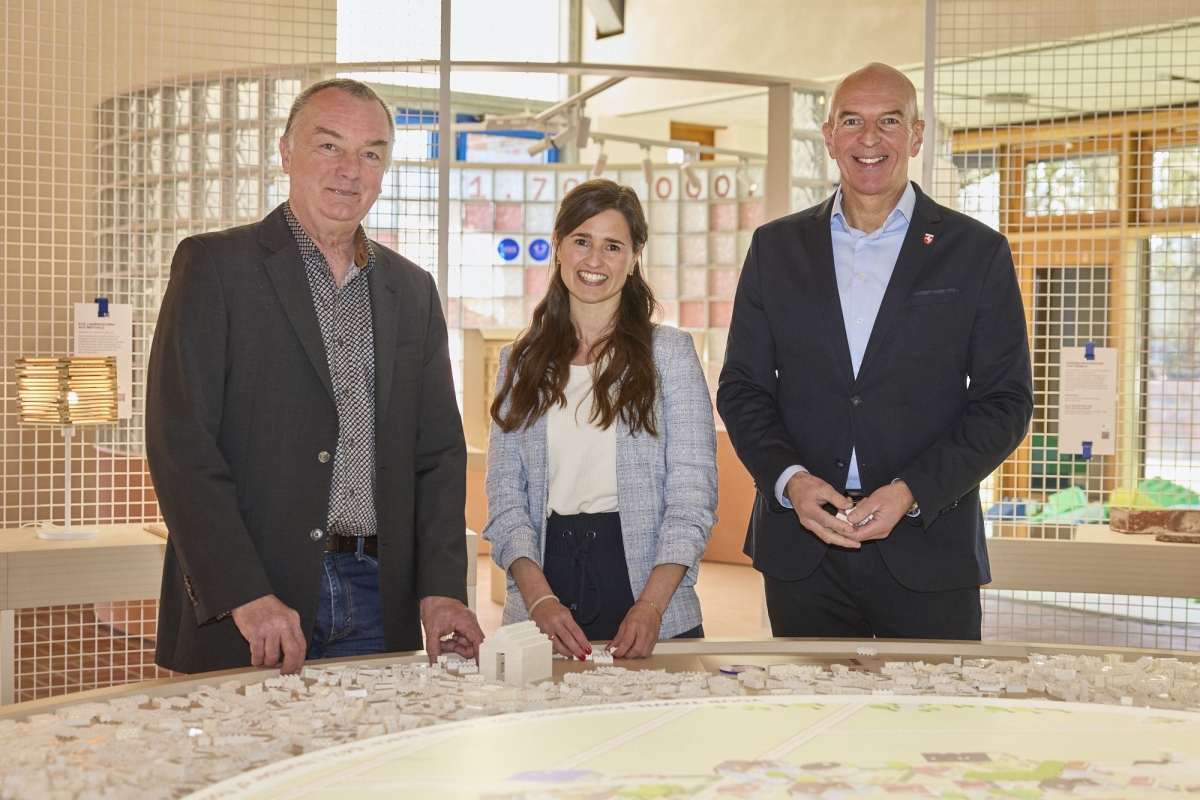
A modern permanent exhibition, a digital media guide and new visitor routes across the site – 25 years after its opening, the LWL Museum Ziegelei Lage (Lippe district) is embarking on a fresh start. Games form the centrepiece of the new exhibition, entitled “From Babylon to the Moon”. Using six brick buildings from different eras as examples – from the Tower of Babylon to a Roman villa and the Siekerfelde settlement in Bielefeld, right through to a detached house in Lippe – visitors to the Museum of the Regional Association of Westphalia-Lippe (LWL) will be able to travel playfully through the past 3,000 years since 20 March 2026.
Digital and analogue games for all ages offer not only fun but also a wealth of information on building, architecture, housing and the development of entire cities across different eras. A flexible section of the exhibition opens up discussion on current future trends and regularly incorporates innovations from research and architecture.
An inclusive media guide provides further access to in-depth information, including in English and through videos in German Sign Language. Visitors can also use their smartphones to design their own digital house and place it in a participatory city.
On display are also over a hundred different bricks – from ancient examples to a ‘moon brick’ from the German Aerospace Centre. Outside, new themed areas invite visitors to explore the site of the former brickworks at their own pace.
“25 years is the blink of an eye in history, but in museum work it is an eternity. Technical possibilities, as well as people’s viewing habits and expectations, have changed significantly in recent years,” said Dr Georg Lunemann, Director of the Regional Association of Westphalia-Lippe, on Wednesday, 18 March 2026, at the launch of the new permanent exhibition in Lage. ‘With the new permanent exhibition at the Lage Brickworks, we are breaking new ground to respond to these challenges in a contemporary way. Current themes such as housing and sustainability, combined with a concept that consistently focuses on playful education, have been implemented here in an impressive manner. This is unique in Germany.’
The Exhibition
The six interactive stations in the main building offer different experiences for everyone from nursery-age children to older adults. Visitors can play their way through the eras together or on their own. “The brick is our witness to history. And no matter which era we’re talking about: in every game, we show the influence this universal building material has had on architecture, housing and how people live together,” explains museum director Willi Kulke.
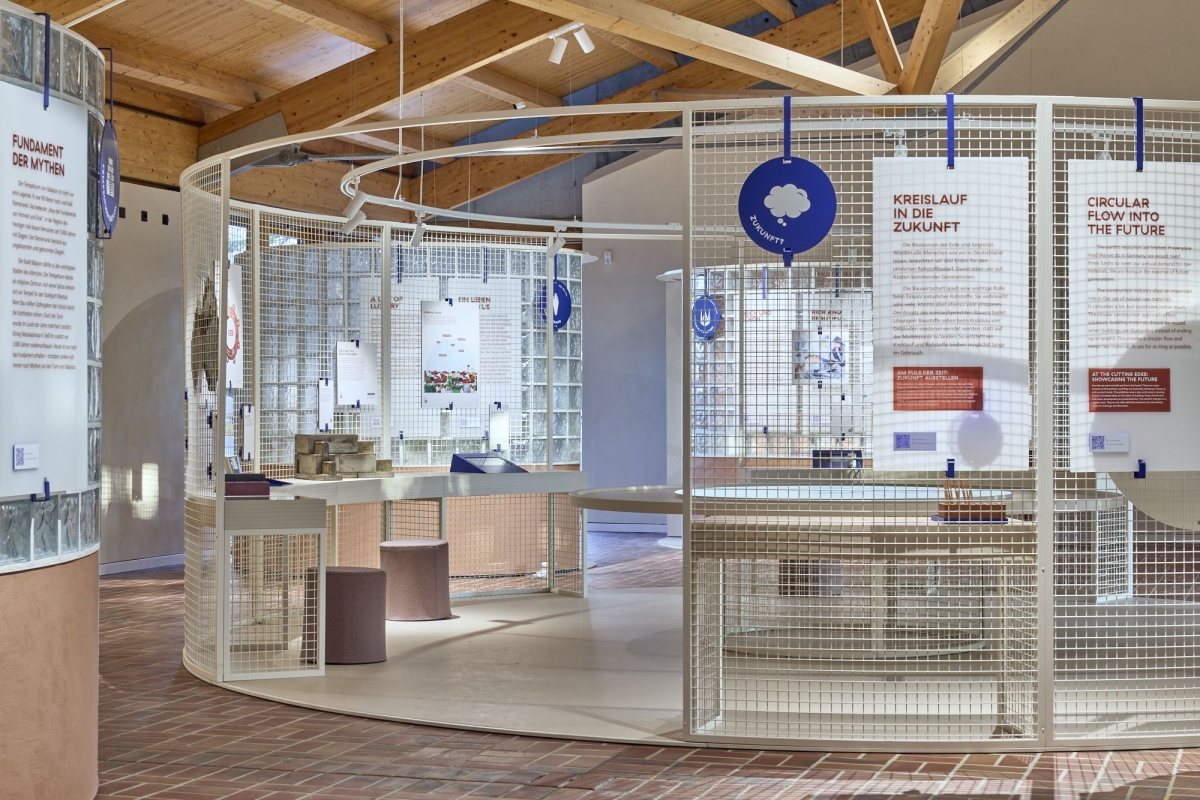
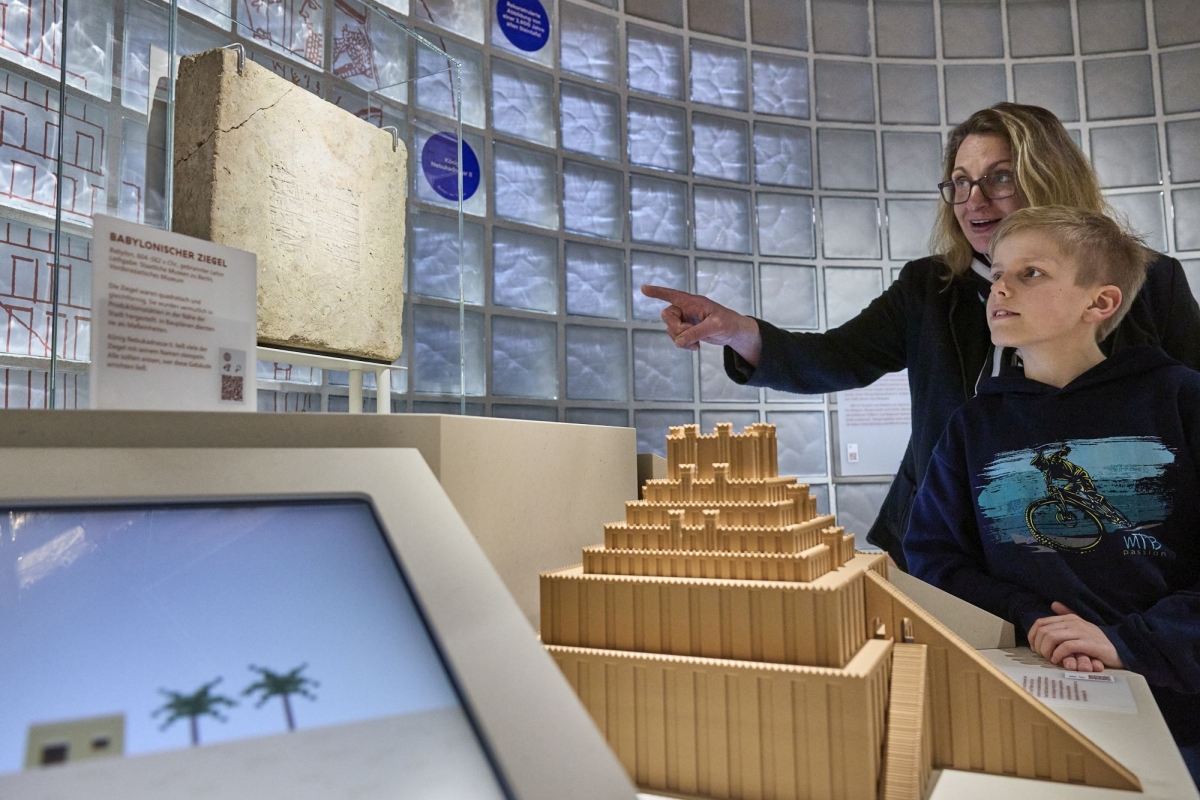
For instance, visitors can use screens to build the Temple Tower of Babylon – and then compete against one another to tear it down again. In the process, they learn fascinating facts about the ancient metropolis of Babylon, about construction methods and the role of temples in those days, and the myths that still surround the tower today, which was actually 90 metres high. The six round “knowledge repositories”, enclosed by walls of glass blocks, contain not only digital technology but also analogue treasures, including a Babylonian brick from the 6th century BC, one of the oldest exhibits in the exhibition.
A game set in the Roman Villa Otrang in the Eifel region showcases Roman architecture, lifestyle and luxury. On screen, the task is to clean the villa, heat it and prepare food and drink for guests. For the medieval town hall of Stralsund, visitors can design an ornate façade in the Brick Gothic style. In the true-to-scale model of a 19th-century Kreuzberg tenement, screens behind doors and windows present small tasks that illustrate the residents and the lives and work of different social classes in the industrialised metropolis of Berlin.
A similar game features the Siekerfelde housing estate in Bielefeld, built in 1927 by the “Freie Scholle” cooperative: even the youngest visitors can use magnetic fishing rods to place buildings in the estate together. Things get more down-to-earth at the detached house in Lippe: here, visitors use a joystick to navigate through a fictional detached house and, by answering questions, determine what type of home they are. In interviews, people from the region talk about their “dream or nightmare” of a cottage in the countryside.
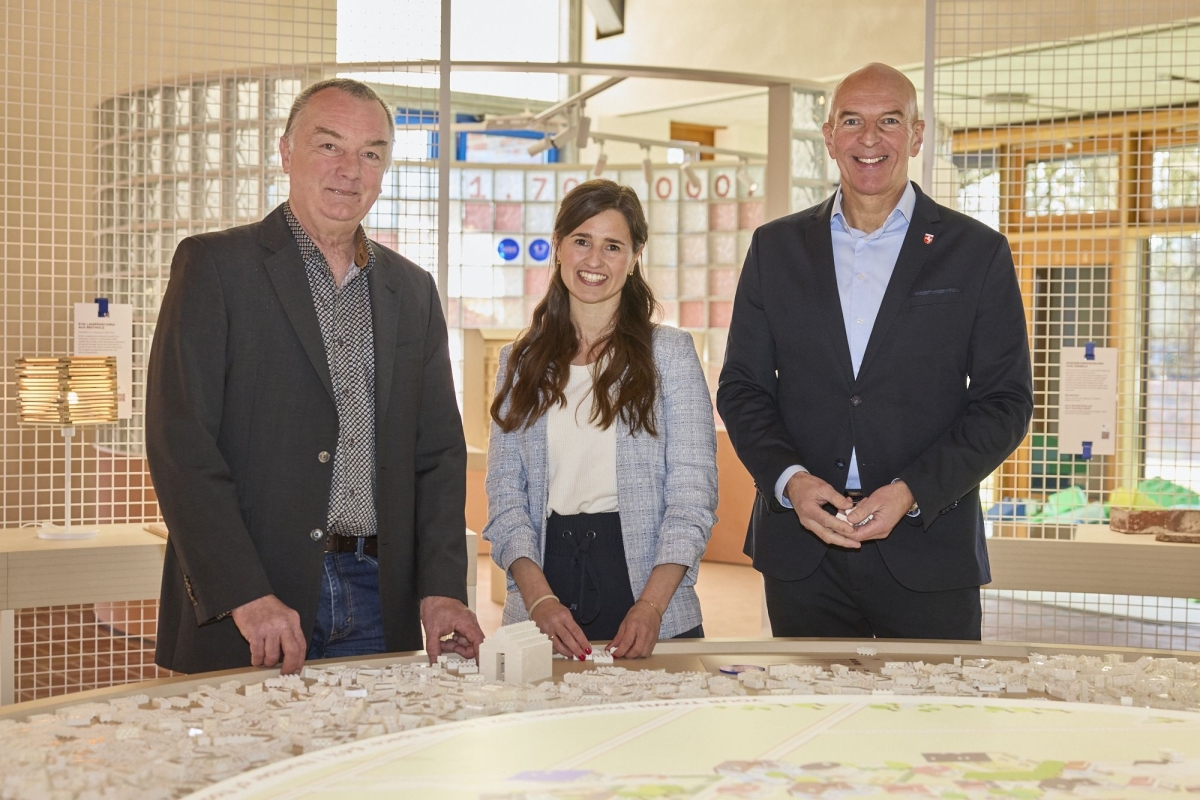
An exhibition unit in the centre brings together the past, present and future and invites discussion on socially relevant issues. At the opening, the focus will be on the theme of “circular construction” – this involves, for example, returning building materials to the material cycle and reusing parts already installed in buildings. A virtual city is growing on the round table in the centre. Every visitor can use the museum app on their smartphone and elements collected in the six games to build a virtual house and place it in the interactive city.
“We opted for the concept of ‘gamification’, that is, conveying exhibition themes through games. This allows us to provide an entertaining introduction to complex topics that appeals to a wide range of audiences – because games are fun for all ages," explains Lisa Egeri, deputy project manager at the LWL Museum Ziegelei Lage.
Outdoor area
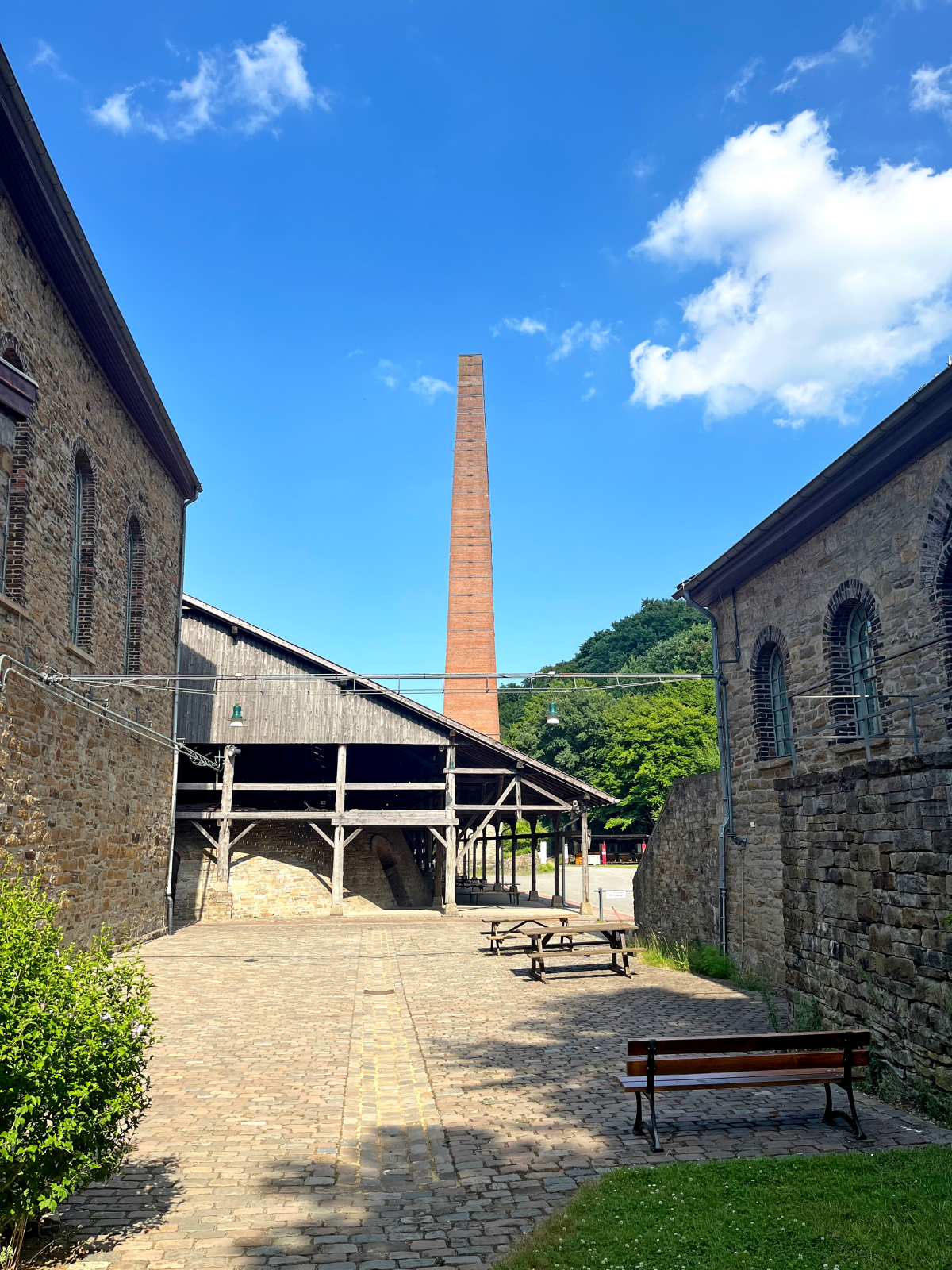
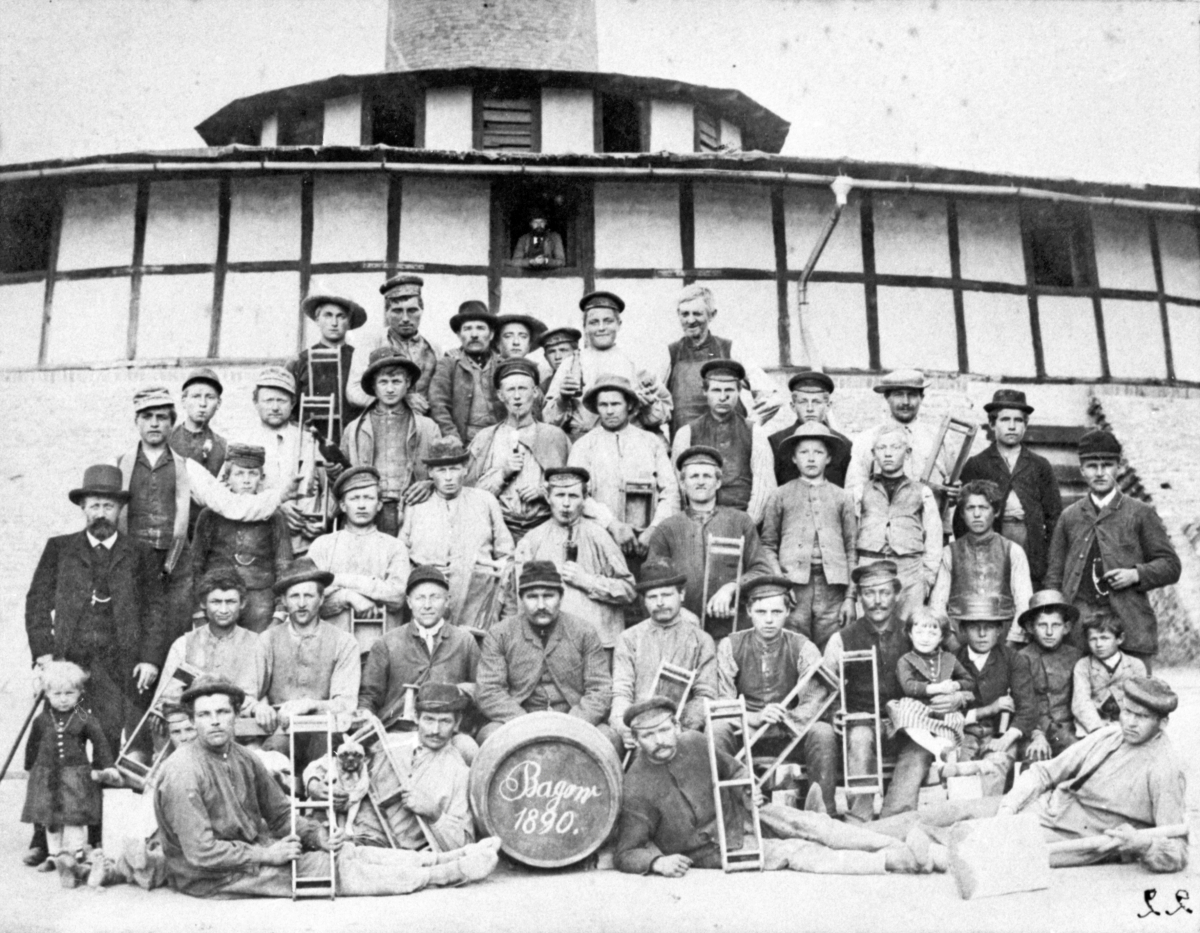
A lot has also happened in the outdoor area over the past few months: Vividly presented themed areas on the site of the former Beermann brickworks complement the exhibition in the main building. After an overview of clay as a raw material, the paths lead through former production facilities and explain the steps involved in brick-making at accessible stations. Further exhibition rooms showcase the history of the Lippe itinerant brickmakers and the family history of the brickworks’ founder, Beermann.
With the opening of the new permanent exhibition, the following admission prices apply: since 20 March 2026, adults pay 6 euros (concessions 5 euros), whilst children continue to enjoy free entry.
Opening
The new permanent exhibition was opened on Thursday, 19 March 2026, at 6 pm by LWL Head of Culture Dr Barbara Rüschoff-Parzinger. Following an introduction by museum director Willi Kulke, a panel discussion is on the programme. Dr Kirsten Baumann, Director of the LWL Museums of Industrial Culture, Christian Vogler from the design studio filamente, Michael Geithner from the company Playing History, and Anne Wieland, Education and Outreach Officer at the Lage Brickworks, will discuss the concept and content of the exhibition.