



Bricks as a Substrate for Oyster Reef Regeneration


Oyster reefs are valuable marine habitats. An oyster can filter up to 200 liters of water per day, thereby removing nitrogen and phosphate from it. The reefs themselves provide habitat for many marine species and help stabilize coastlines. However, only about 15 percent of oyster reefs remain worldwide, and they are nearly extinct in the North Sea. The Dutch startup Oyster Heaven in Rotterdam is working to reintroduce oysters and restore oyster reefs using special bricks.
Oyster Heaven and Mother Reef
According to its own statement, Oyster Heaven’s goal is to become the most cost-effective large-scale producer of oyster reefs. The startup’s eco-friendly business model is designed to generate revenue that will enable the exponential construction of additional reefs without disturbing or harvesting the oysters. To this end, Oyster Heaven offers ecosystem services from regenerated oyster reefs to organizations that need them to offset their ecological footprint. This approach aims to successfully reintroduce 100 million oysters by 2030 (orignally 2027) and finance global expansion.
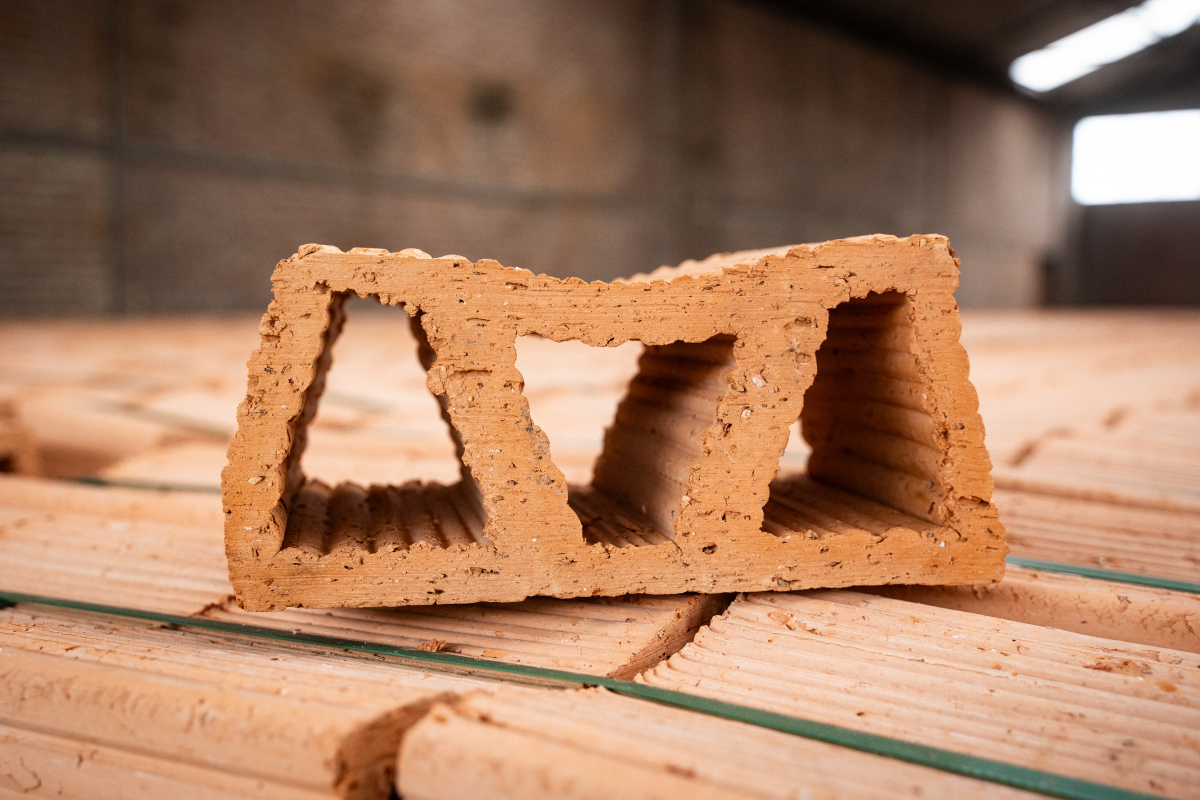
The technical centerpiece of the reintroduction effort is a brick called Mother Reef. These are specially shaped, low-fired clay bricks that are seeded with oyster larvae and serve as a substrate. The bricks are weather-resistant and erode naturally over time. Ultimately, the goal is to create thriving, self-sustaining oyster reefs that can maintain themselves independently.
The Mother Reef bricks are manufactured in conventional brick factories, allowing for very cost-effective production as well as simple, standardized installation.
Cooperation with Wienerberger
According to a March 2026 press release, Oyster Heaven has signed a memorandum of understanding with Wienerberger Netherlands. The goal is the large-scale production of substrates for the restoration of oyster reefs.
According to Wienerberger’s own statement, the company can manufacture Mother Reefs using existing production lines and logistics networks. In this way, ceramic expertise from the construction industry is being applied to ecological infrastructure for the large-scale and sustainable restoration of oyster reef ecosystems.
The memorandum of understanding reaffirms a commitment to closer collaboration in research and development. The goal is to further improve the design and performance of the product. Additionally, the memorandum supports scaling up production for future projects across Europe. The long-term goal is to create a widely available, scientifically validated tool for marine restoration.