



Dr. rer. nat. Lutz Krakow: Raw materials highlights for the clay brick and tile industry
Geological code determines its firing behaviour (part 2)

![»3 Classification of the magmatic rocks according to [1]](https://www.zi-online.info/imgs/101473952_47c0ef4e72.jpg)
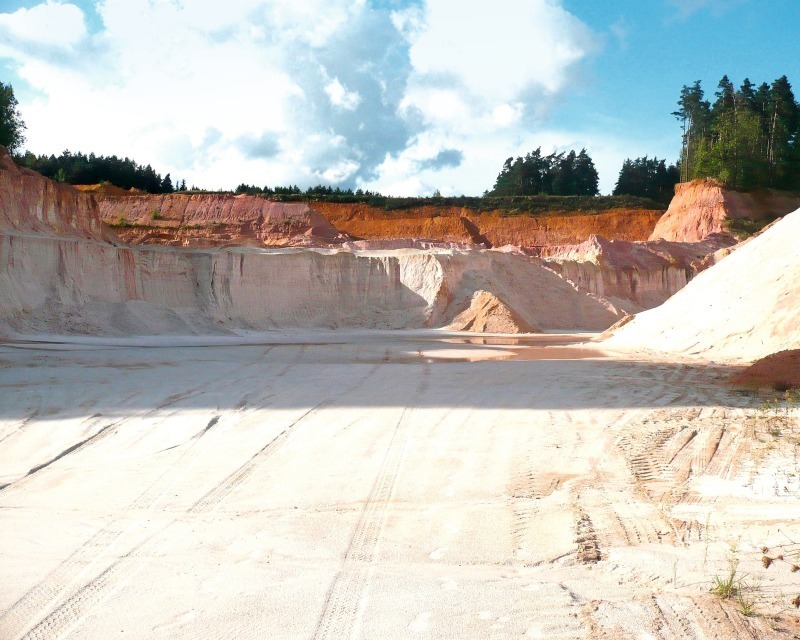
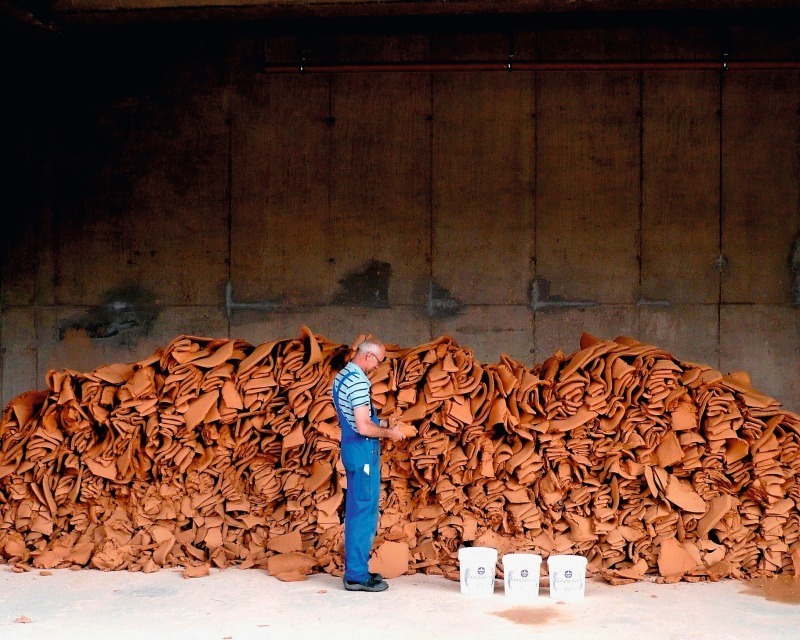
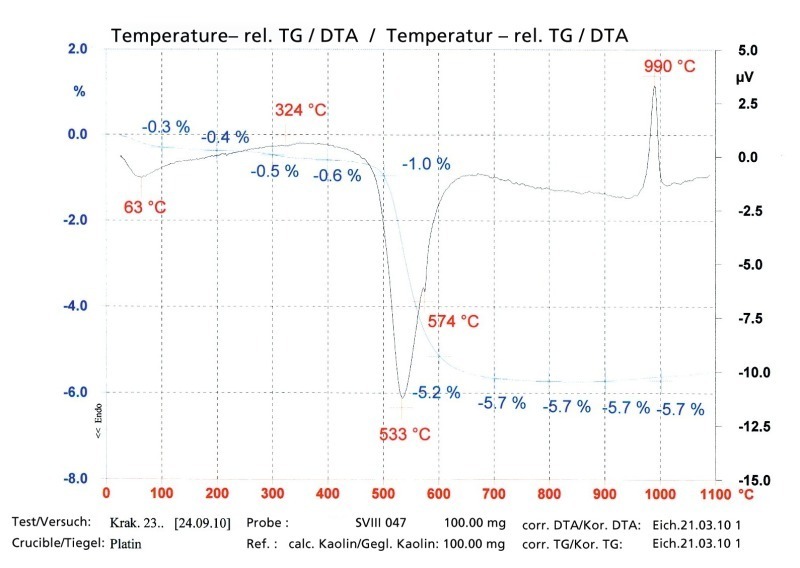
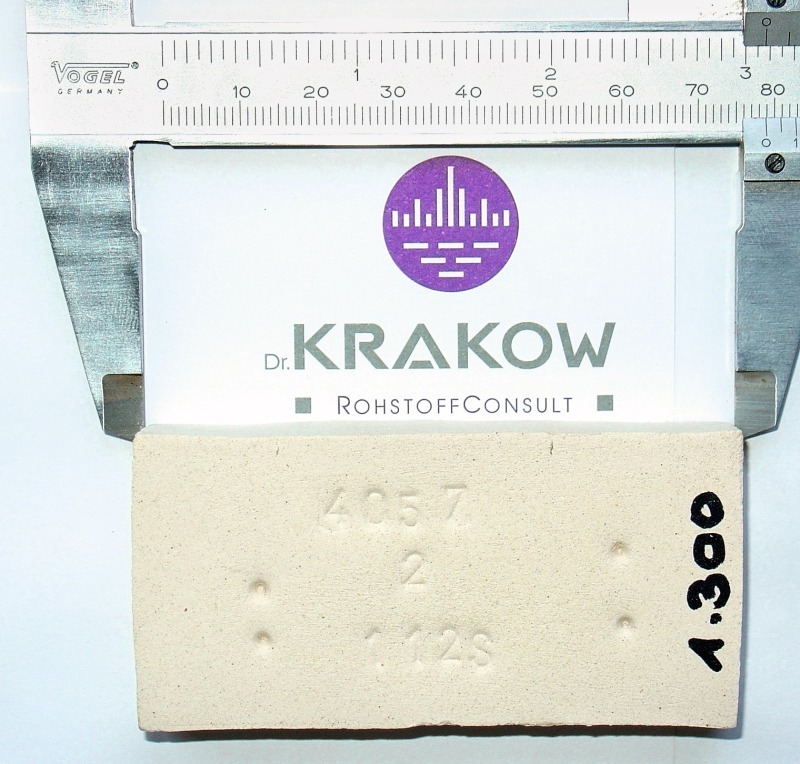
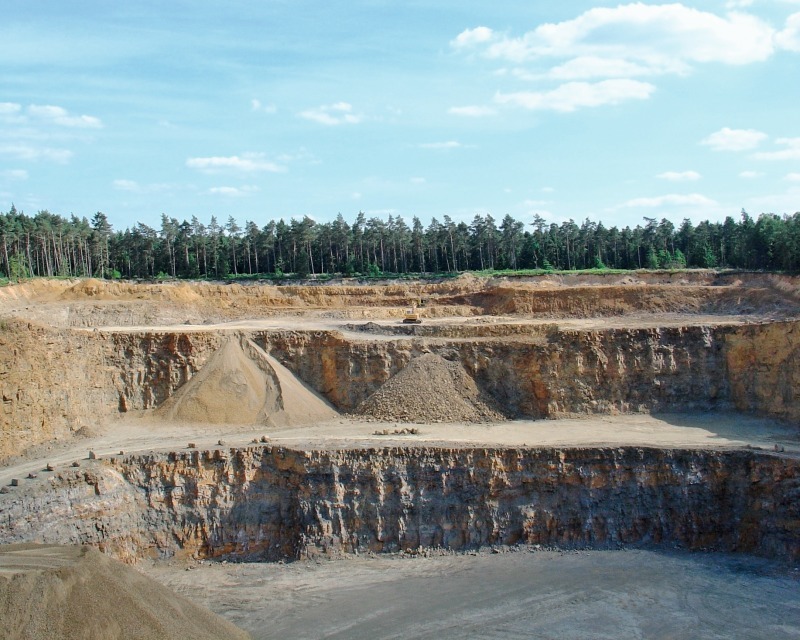
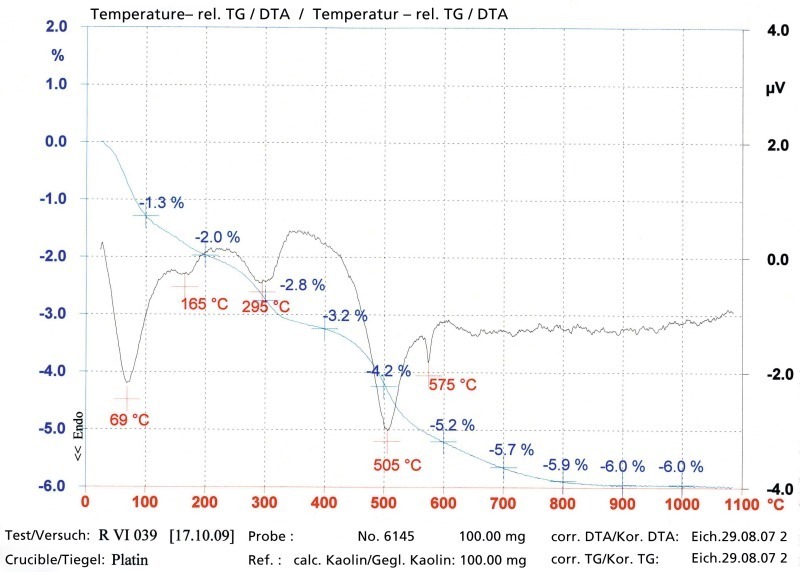
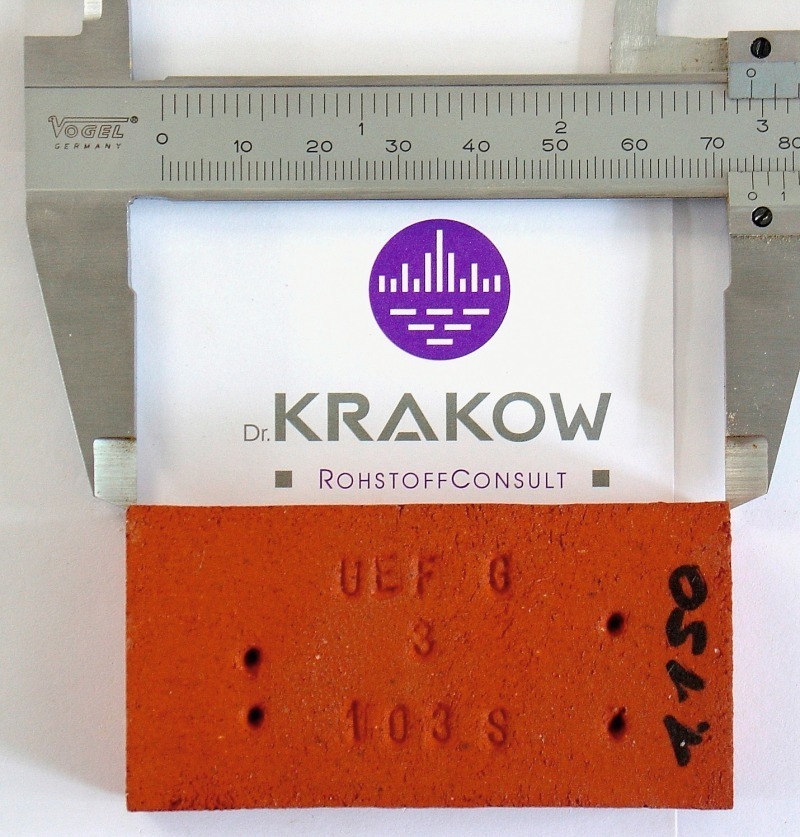


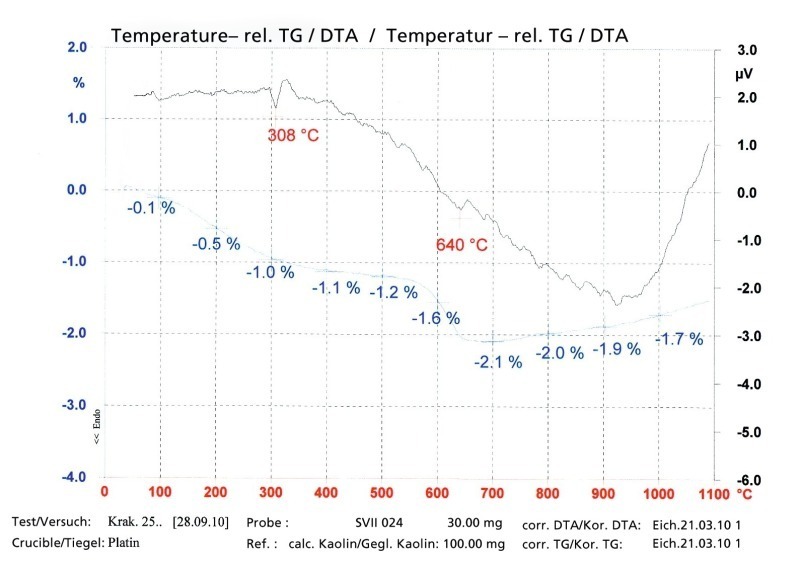
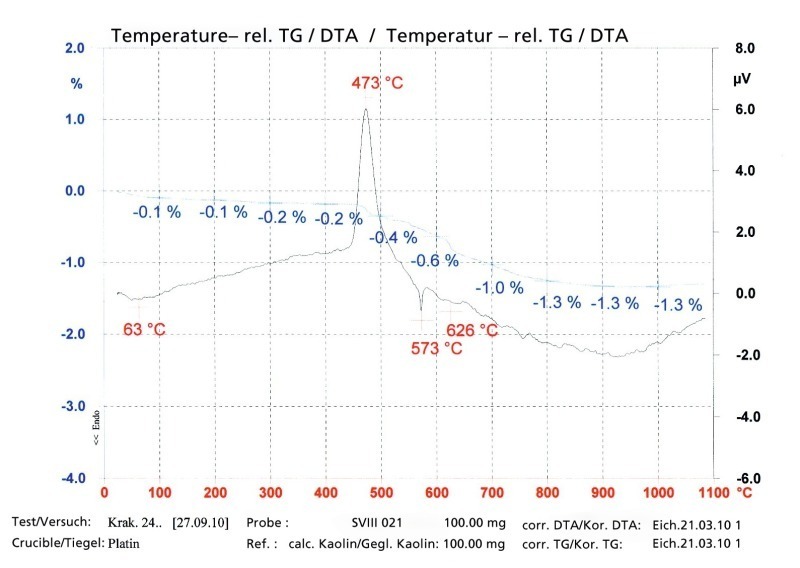
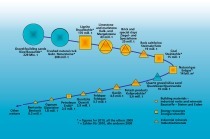
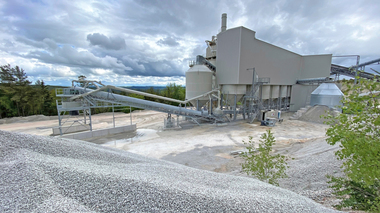
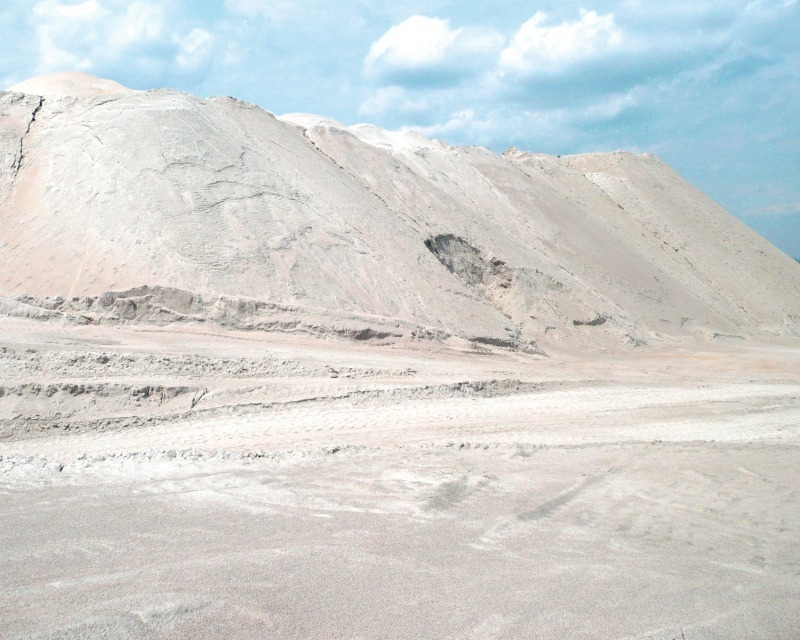
The geological formation of clays and clay brick raw materials is variably controlled by an almost infinite number of geofactors. For this reason, every raw material possesses a very individual geological code that characteristically determines its firing behaviour. In the first part of this paper, raw kaolins, extremely plastic clays, consolidated clay stone as well as metamorphous clay schist were analysed in respect of their firing behaviour [1]. This second part of the paper covers the geological formation of the raw materials. Besides marine Dogger kaolins and hydrothermally heated clay schist, magmatic raw materials, such as expanded perlites and plutonitic feldspar sands, are presented.
1 Introduction
“What remains is change, which remains changed”. This quotation from the German historian Michael Richter
(*1952) sums up precisely the current situation in the German clay brick and tile industry. For some years now, the constant pressure to come up with innovations has led to a more than breakneck development evidenced in ever better products and state-of-the-art plant engineering. Clay brick and roofing tile manufacturers now offer “high-tech bricks” – a search term that currently returns more than 36 300 hits in just 0.14 seconds in Google. Those manufacturers that jump...
(*1952) sums up precisely the current situation in the German clay brick and tile industry. For some years now, the constant pressure to come up with innovations has led to a more than breakneck development evidenced in ever better products and state-of-the-art plant engineering. Clay brick and roofing tile manufacturers now offer “high-tech bricks” – a search term that currently returns more than 36 300 hits in just 0.14 seconds in Google. Those manufacturers that jump...