



Firing with natural gas or hydrogen: Novel high-temperature furnace paves the way for climate-neutral firing processes
Natural gas, biomethane, hydrogen: Each of these must have their water content removed before they can enter the supply network. This process previously involved the use of chemicals and high temperatures. A new technology developed by Fraunhofer researchers can now deliver this result using nanoporous membranes—rapidly, cleanly, and with minimal energy consumption. This allows renewable energy suppliers to cut costs and reduce climate-damaging emissions.
Two energy options – identical operating conditions for sintering processes
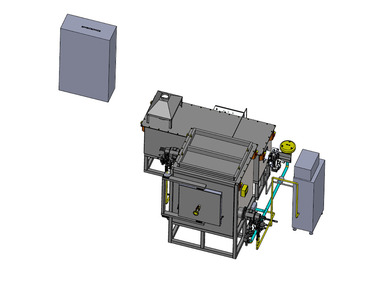
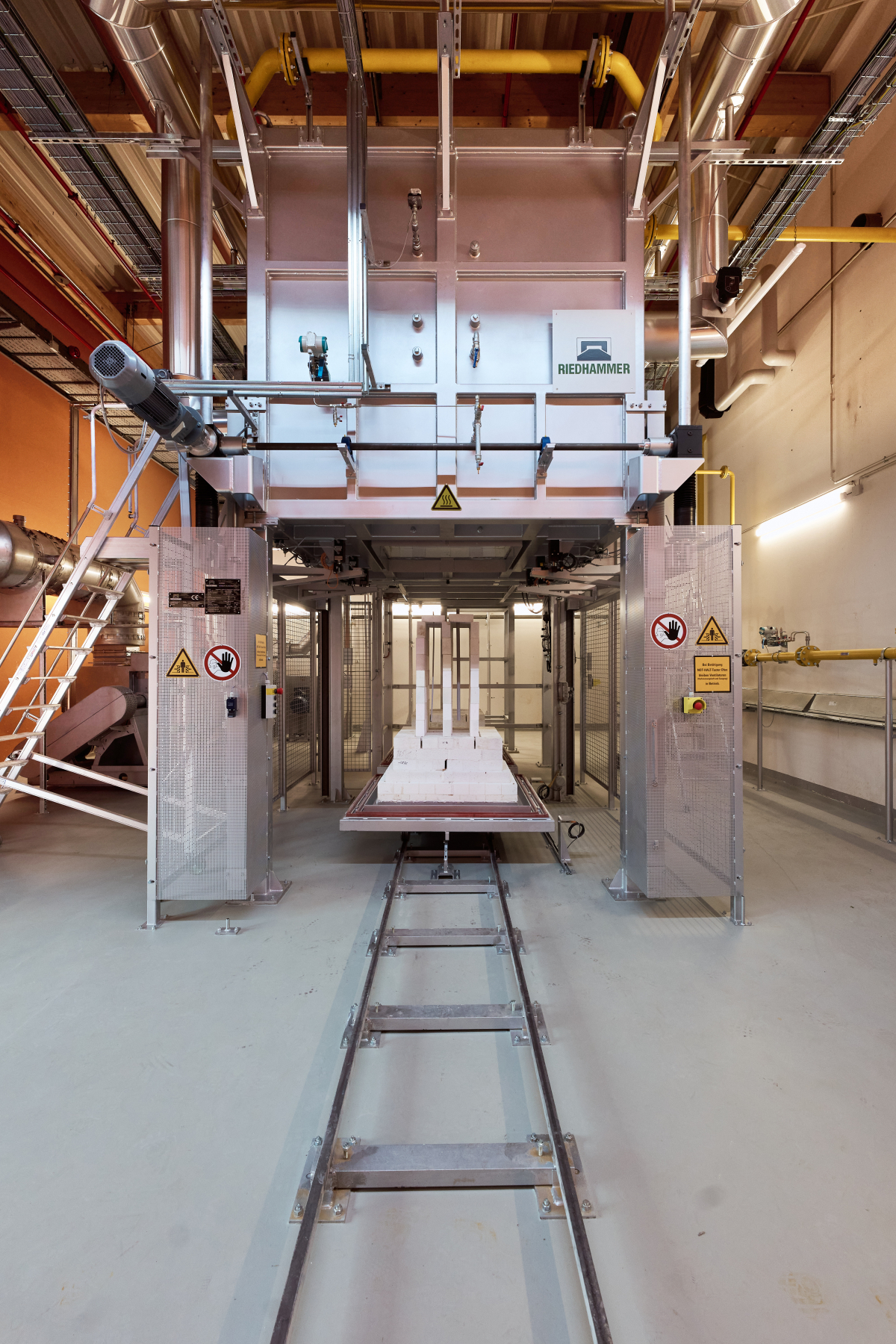
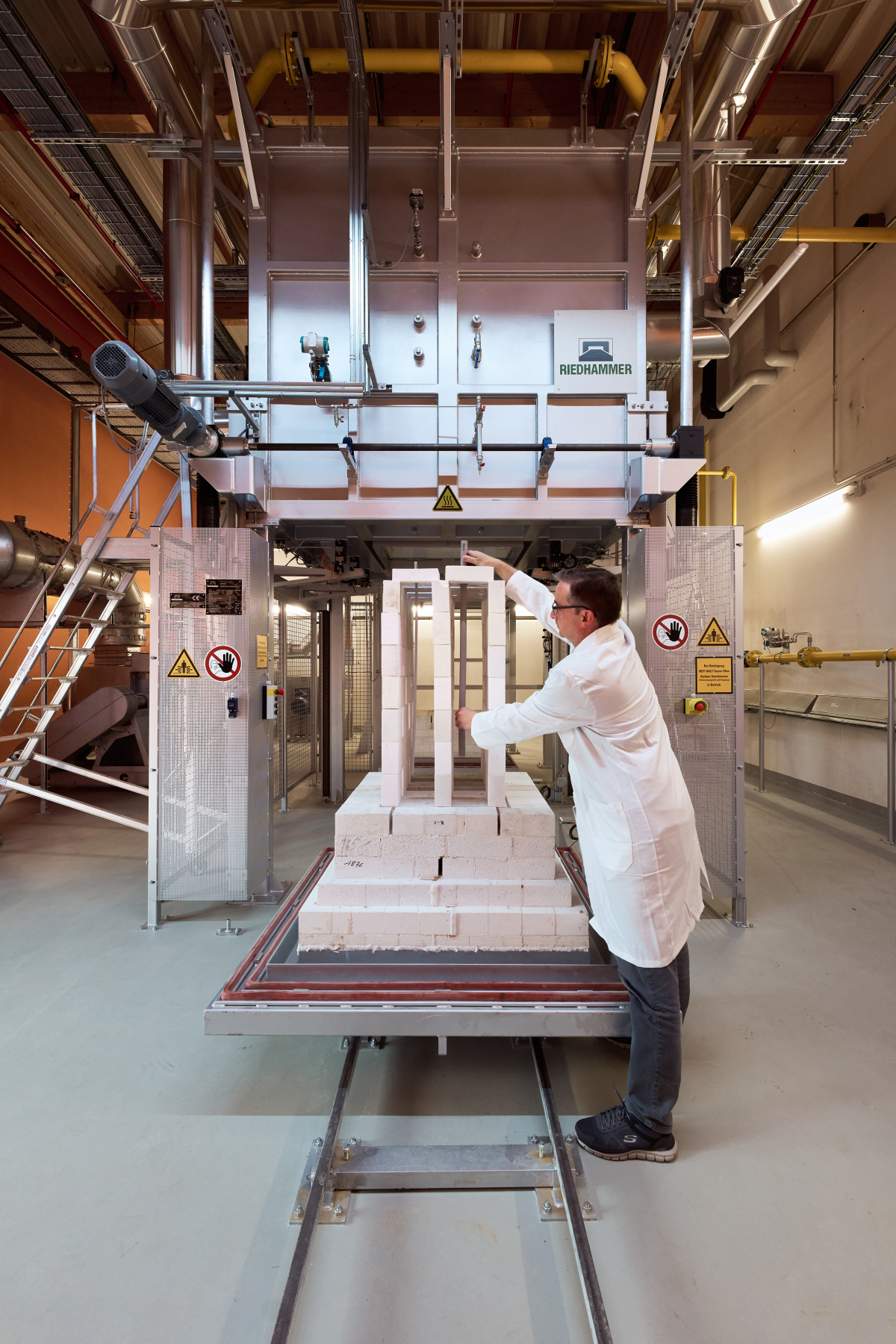
The high-temperature furnace project was funded by the state of Thuringia under its special program Industrial Hydrogen Technologies Thuringia (WaTTh) and carried out in collaboration with Nuremberg-based kiln manufacturer Riedhammer. Hydrogen-fired sintering furnaces already exist, but none allow natural gas operation as well. “That makes our furnace one of a kind,” says Dr. Olga Ravkina, Head of the High-Temperature Membranes and Storage Materials Group at IKTS. “It enables us to conduct side-by-side studies of firing with natural gas and hydrogen on a wide range of ceramic materials and metals. This way we can assess the effect of switching fuels on final product quality with exceptional precision.” Extensive in-house analytical resources allow chemical and mechanical characterization of the sintered material alongside the trials.
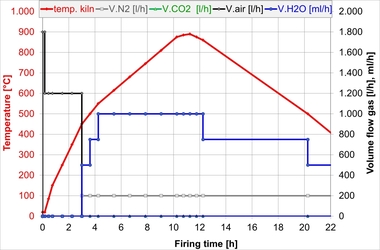
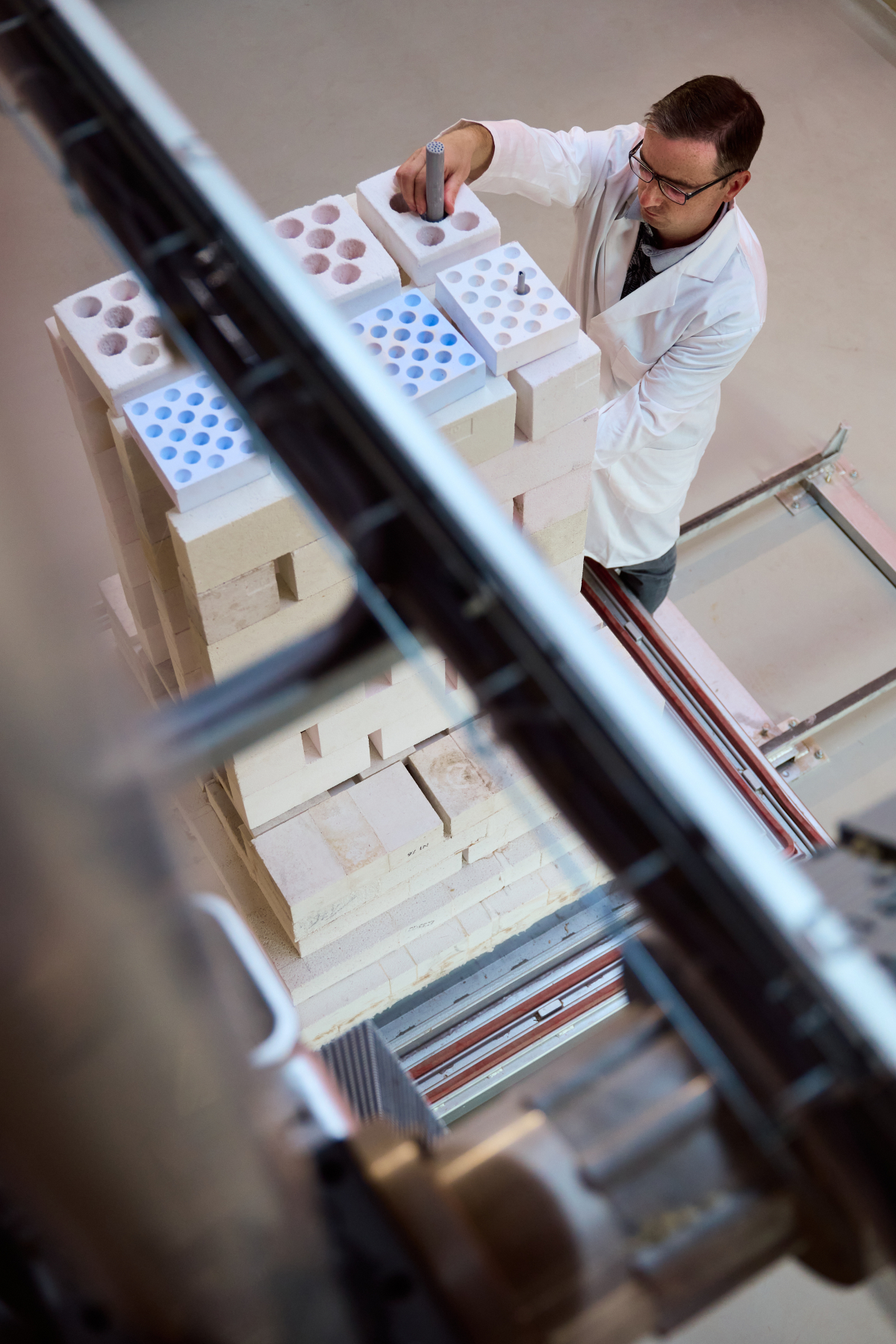
The furnace chamber and temperature distribution remain identical regardless of the firing gas. Only the five burner heads need to be exchanged, ensuring optimum comparability when evaluating the potential impact of a fuel switch on product properties. The elevator-hearth sintering furnace has a capacity of 500 liters, making it ideally suited to field trials that can ultimately be scaled directly to industrial furnaces. Achieving temperatures of up to 1,700 °C, it has an installed power of 1,000 kW and can process up to 150 kilograms of material per firing cycle.
Advanced sensor technology for precise process monitoring
Thanks to extensive sensor technology and digital monitoring, every firing process in the sintering furnace can be precisely tracked and recorded. Multiple thermocouples track temperatures at key points inside the furnace and during post-combustion, while heating rates, dwell times, and furnace atmosphere are continuously monitored. With a broad adjustment range, the fuel–air ratio can be precisely tuned for oxidizing or reducing conditions. Testing under identical, controlled conditions is also possible for debinding, where organic binders are removed from ceramics prior to firing.
Green hydrogen’s economic and environmental benefits
Since halting production for test runs is prohibitively expensive, many manufacturers are unable to trial alternative fuels in their own facilities without risking loss of quality. “That’s exactly why we built this furnace,” explains Dr. Ravkina. “Our initial focus is on ceramic manufacturers – whether industrial ceramics, sanitary ceramics, or domestic tableware. But we also aim to support producers of metal parts that require high-temperature processing.”
When operated with hydrogen, the furnace emits only water vapor. In the case of energy-intensive industries, this means they can meet regulatory requirements for CO2 reduction. Conventional furnaces can also be retrofitted cost-effectively with new burners for hydrogen operation. And if the hydrogen is produced by electrolysis using renewable electricity from solar or wind, it qualifies as green hydrogen – making the entire process climate-neutral and free of greenhouse gases.