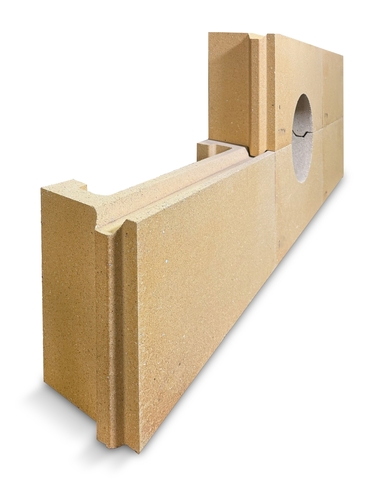
Refractory materials for tunnel kilns must withstand extreme chemical and thermal stresses. The increasing use of alternative fuels and raw materials, as well as the need for durable solutions for...
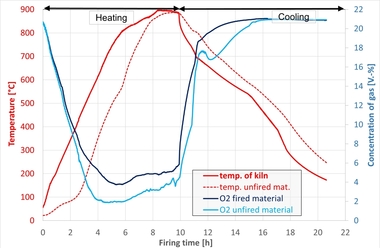
4.4.4 Composition of the exhaust gas4.4.4.1 Emissions from the raw materialBesides containing the combustion products of the fuel gases, the exhaust gas also consists of the emissions from the unfired...
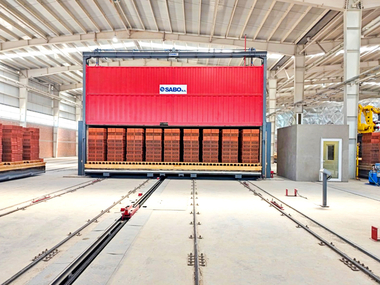
SABO is expanding its footprint in the heavy clay sector with its new projects and its expansions. The company is present with its network of agents, area managers and solution engineers in more than...
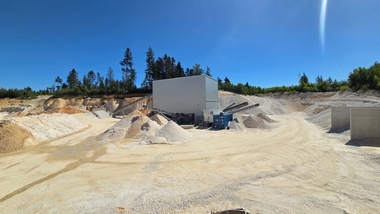
The Freinberg quartz quarry in Upper Austria is one of the very few mining sites in Europe that is suitable, among other things, for the production of metallic silicon. The raw material consists of...
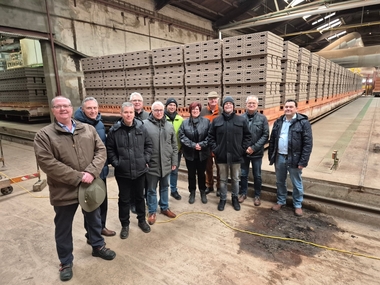
On February 9, 2026, partners of the research project “CMCVent - Hot-Gas Ventilators Made of Oxide CMC for CO2 Reduction in Thermal Processes in the Ceramics Industry” gathered on the premises of the...
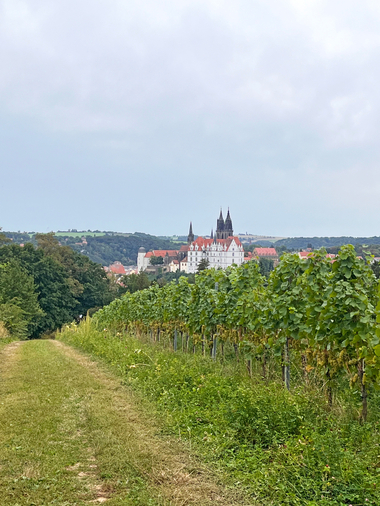
“Key technology Ceramics“: This is the title of the 29th Eurosymposium on 22 and 23 September 2026 in Meissen, organised by the Keramik-Institut.The Eurosymposium Ceramics is a specialist event for...
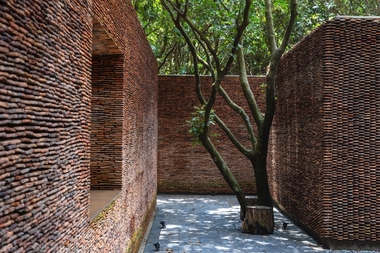
From a Vietnamese temple to a Mexican tequila factory, the incredible versatility and beauty of brick and ceramic building materials have been celebrated by the world’s leading architects and...
The cold-formed brick developed by the Bavarian brick manufacturer Leipfinger-Bader has received official building code approval Z-17.13-1328 from the German Institute for Building Technology (DIBT)....
According to a press release from 29 Mai 2026, the Supervisory Board of Wienerberger AG, an international provider of products for the entire building envelope in the fields of new build and...
On August 1, 2026, Jürgen Simon, Managing Director of Hubert Gerharz GmbH, based in Ransbach-Baumbach, will celebrate his 45th anniversary with the company.When he began his commercial apprenticeship...